If you've ever wondered whether switching to a reusable menstrual cup is actually worth it financially, you're not alone.
The menstrual cup vs. pads cost debate is one of the most common questions women have. In this blog, we break down the numbers clearly, so you can make an informed decision about your period products. To read more about the discussion between menstrual cups and tampons, read this blog.
How much do sanitary pads cost per month?
The average person in the UK spends around £10 per cycle on disposable period care - such as pads and liners. That figure adds up quickly.
Over the course of a year, that's roughly £120 on feminine hygiene products alone. And with the cost of periods per year in the UK rising by as much as 18% over the past five years, that annual figure is only getting higher.
If you use pads throughout your entire reproductive life, say roughly 30-40 years, the lifetime cost of pads can reach well over £4,000.
How much does a menstrual cup cost?
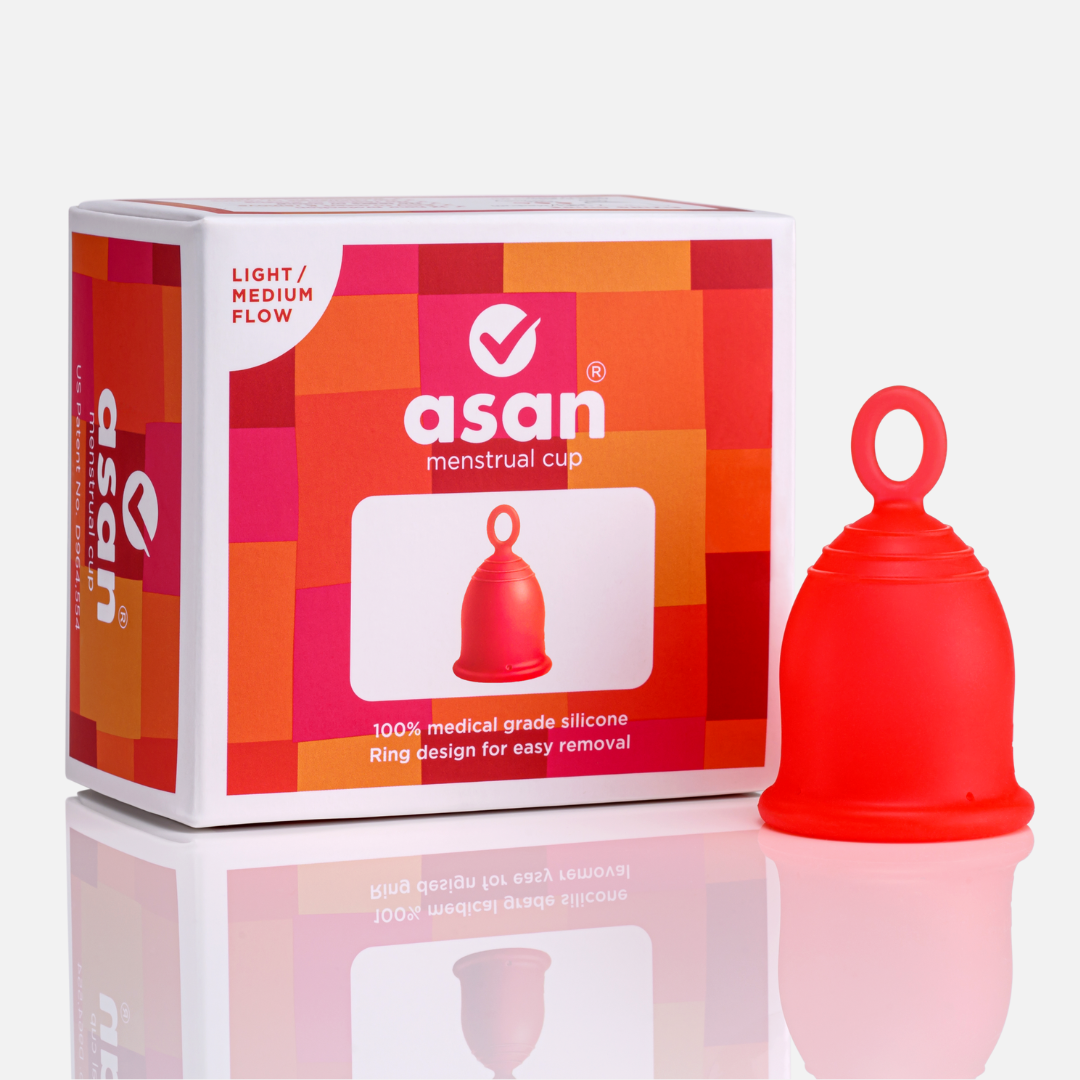
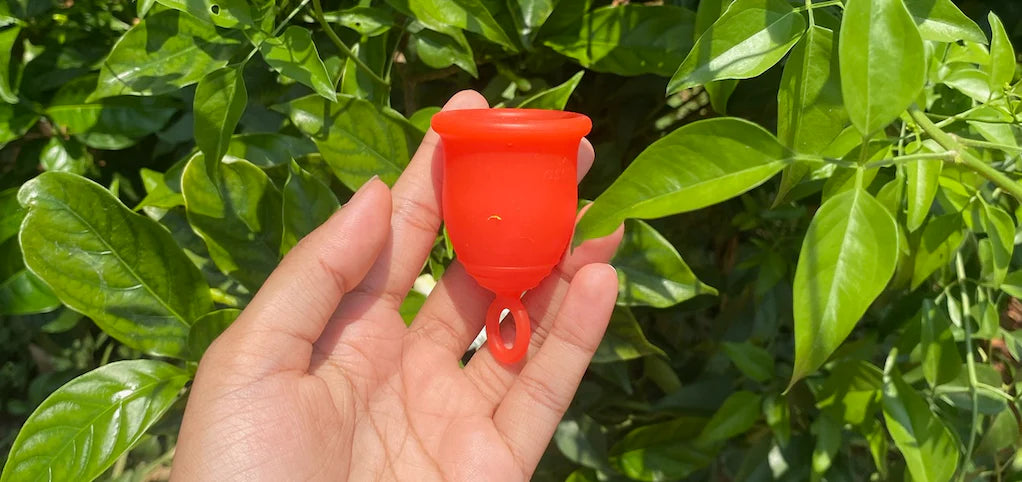
A menstrual cup costs £24.95, a one-time upfront cost. A single cup lasts up to 10 years with proper care, which is what gives it such an impressive menstrual cup lifespan. That works out to approximately 19p. That's it!
Over time, the savings are substantial. Switching to a reusable menstrual cup like the Asan cup could save you well over £1,000 over a decade.
What about the upfront cost?
It's fair to acknowledge that the menstrual cup initial cost vs. long-term savings can feel like a strange calculation when you're used to spreading period expenses across the month. But consider this: a menstrual cup pays for itself within just 3 months of use. After that, every cycle costs you nothing.
For students and anyone on a tighter budget, this makes the Asan cup one of the cheapest period products in the UK considering the high quality material used, and that is far cheaper than even the most affordable supermarket pads.
Are menstrual cups cheaper than pads for everyone?
In short, yes, but the savings varies depending on how much you currently spend. If you use branded pads or a combination of pads and liners, your monthly spend could be higher than the £10 average, which makes the long-term savings even greater. If you use budget supermarket pads, the saving is still significant, just slightly less dramatic.
The key point is that disposable pads are an ongoing expense. A reusable menstrual cup is a one-time investment. When you compare the cost per cycle, the difference is stark.
The environmental cost for disposable period products
The financial case for switching is clear, but it's worth noting that the savings aren't only to your wallet. The average person uses somewhere between 5,000 and 15,000 disposable pads in their lifetime. Every single one of those ends up in landfill, let’s also not forget the body-harming toxins and chemicals in plastic pads, read this blog to learn more. Choosing a reusable menstrual cup is one of the most impactful switches you can make for sustainable period care.
At Asan, sustainability and affordability go hand in hand, the perfect eco-friendly menstrual product should be good for you, good for your pocket, and good for the planet. Period poverty is a real and growing concern, and the high average spend on sanitary products in the UK is a big part of why. For a detailed breakdown of the environmental impact of period products, read this blog.
What makes the Asan cup different?
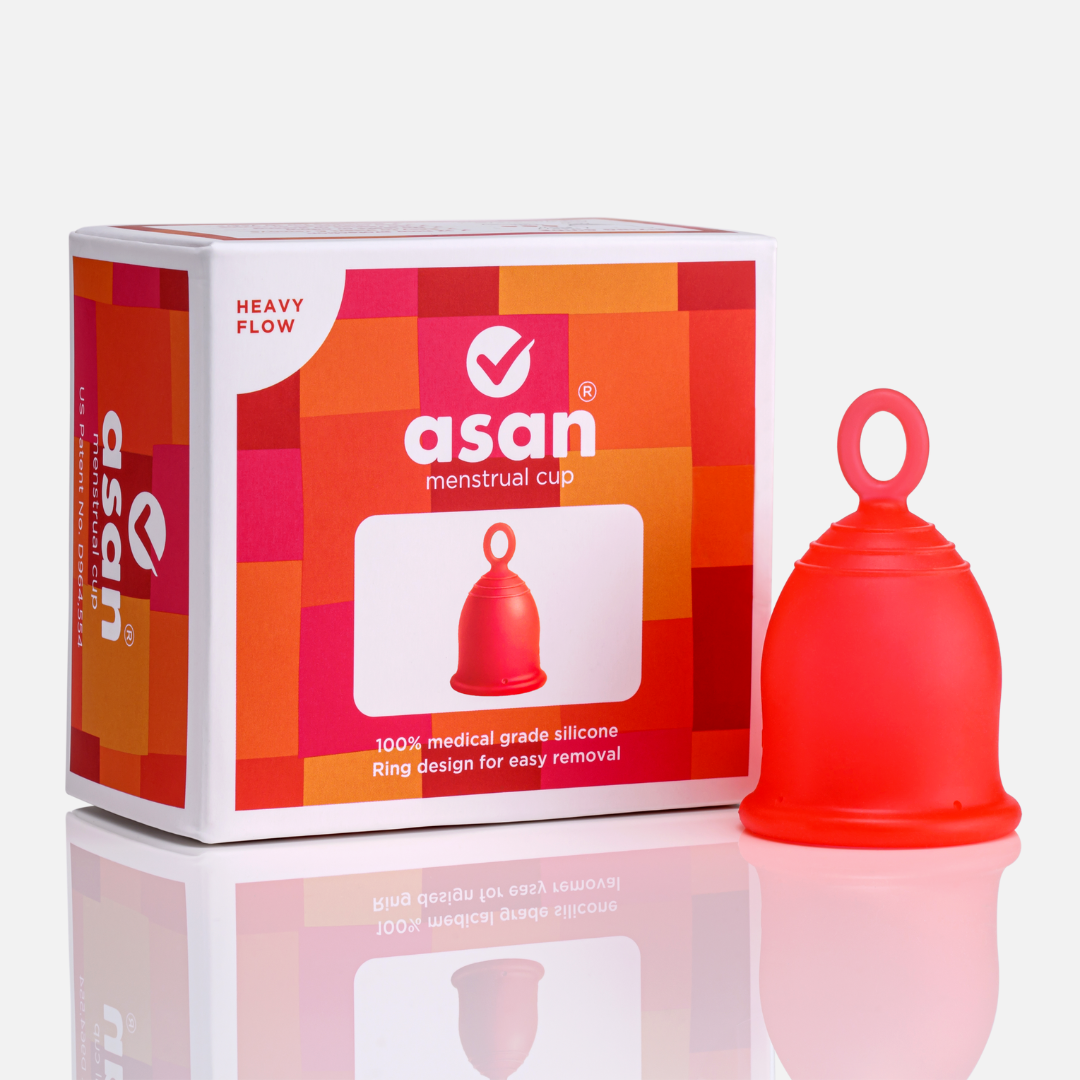
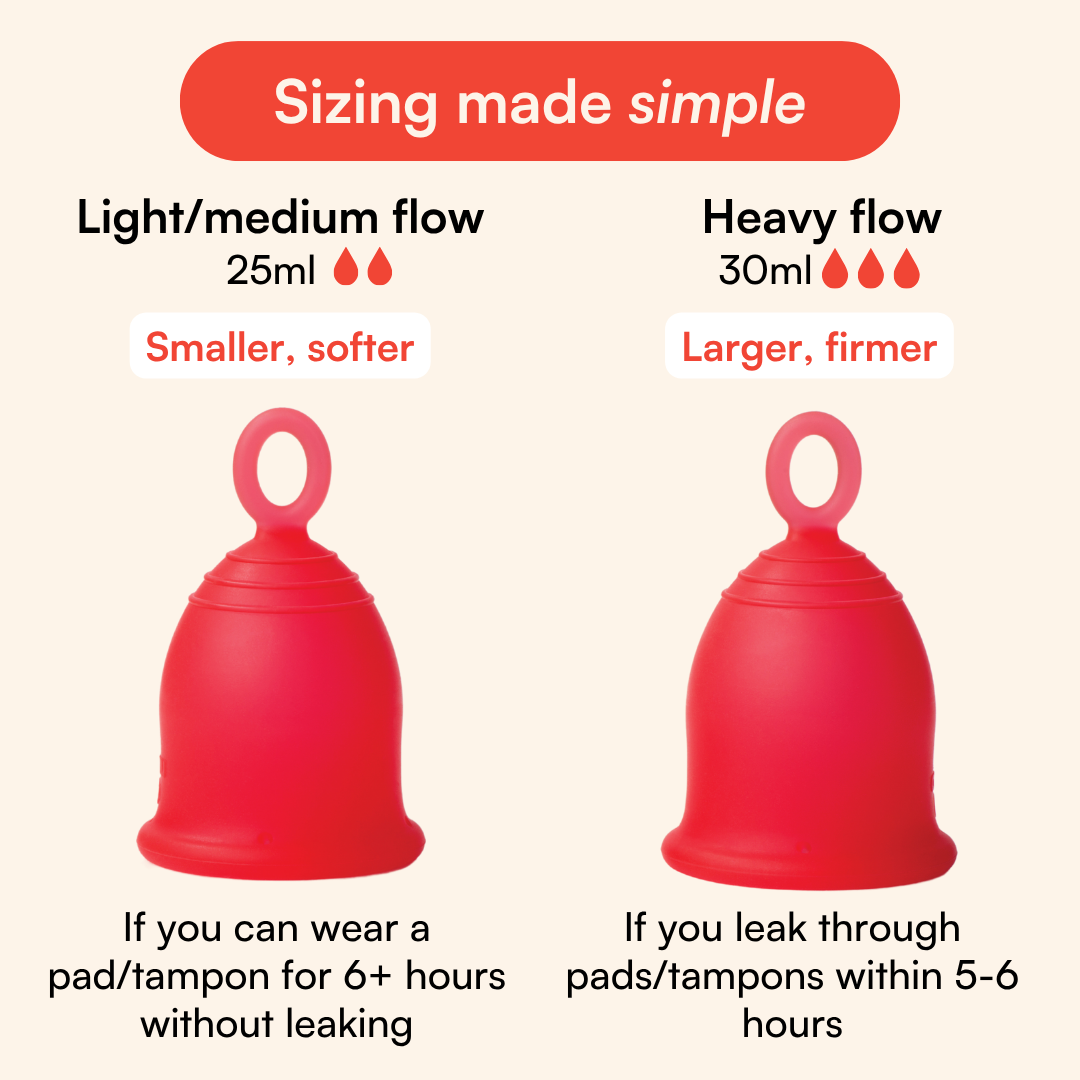
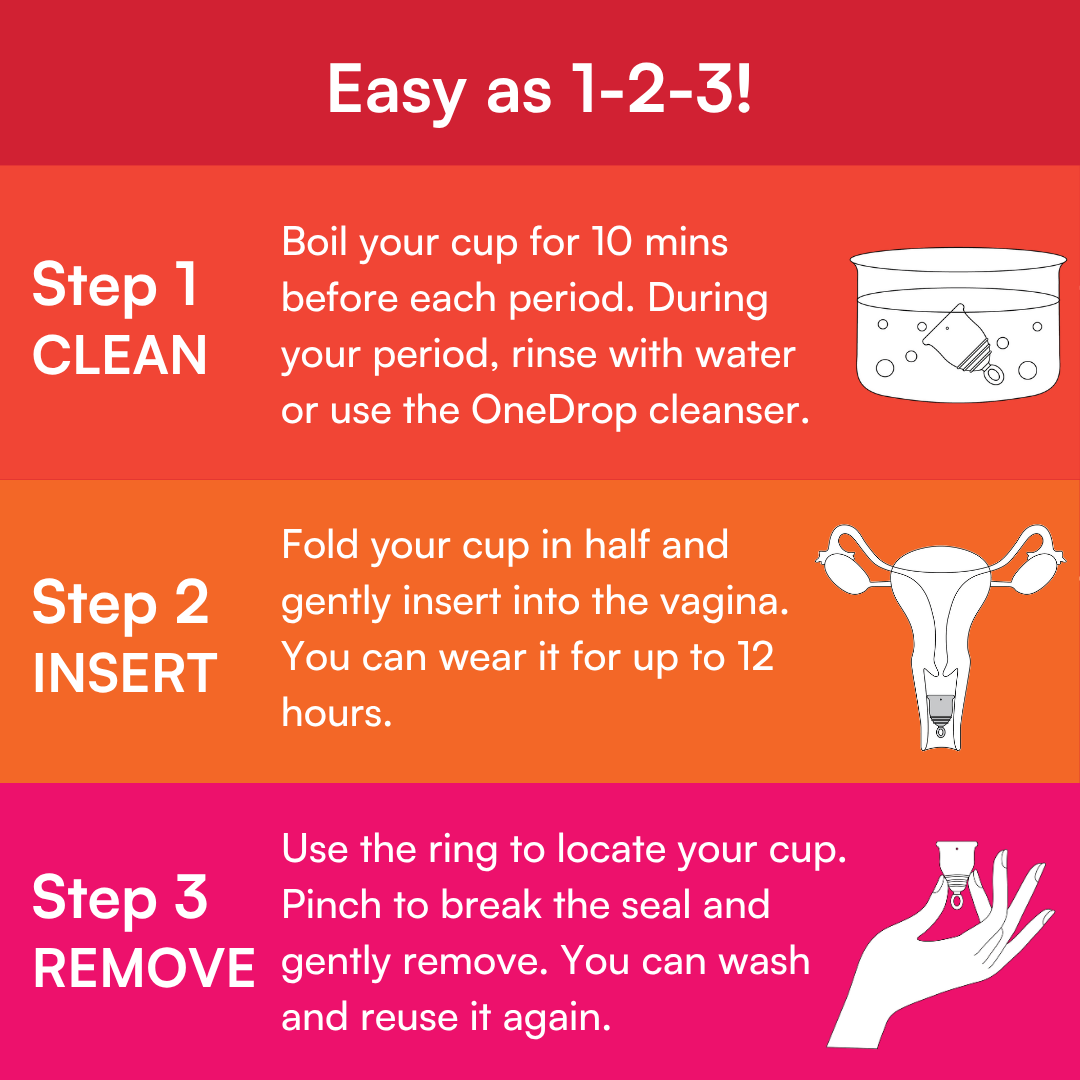
The Asan cup was designed at the Harvard Innovation Lab and ranked the #1 best menstrual cup in the UK by the Evening Standard. It comes in two sizes - Light/Medium Flow and Heavy Flow, and includes an in-depth illustrated guide specifically designed for first-time cup users.
It's also part of Asan's 1-for-1 donation programme: for every Asan cup sold, Asan donates one for free to a woman or girl experiencing period poverty in rural India, you can read in detail about this initiative here. So when you switch to the Asan cup, you're not just saving money, you're helping someone else manage their period safely, too.
asan store
Asan Menstrual Cup

Frequently Asked Questions
I feel like I have to pee with a menstrual cup in. Why is this?
This is probably because your cup is positioned in such a way that it is putting pressure on your bladder. The best thing to do is to remove and reinsert it.
Why do I have an urge to pee more frequently?
Again, this is most likely because the cup is putting pressure on your bladder, in which case you might want to adjust the position of your cup. But keep in mind that due to a change in hormone levels, it is totally normal to be peeing more during your period – so this may not be related to your menstrual cup!
Should I empty my cup after peeing?
No, there is no need to empty your cup unless it is full. Make sure you empty it and wash it every 12 hours though, for hygiene reasons.
Do you need to remove your cup for pee to release?
No, you can pee while using a menstrual cup and you should not have to remove it for your pee to release. If this is happening to you, then it might be the case that your cup has been inserted at the wrong angle. Please remove it and reinsert it.
I have a sensitive bladder. What menstrual cup should I use?
If you have a sensitive bladder then we suggest the Asan Light/Medium flow cup, as this is made of slightly softer silicone and is less likely to put pressure on your bladder.
More Posts
View all-
What is a phantom period?
A phantom period means all the usual symptoms: cramps, bloating, mood swings, but no actual bleeding. Here's what causes it and what your body might be telling you.
What is a phantom period?
A phantom period means all the usual symptoms: cramps, bloating, mood swings, but no actual bleeding. Here's what causes it and what your body might be telling you.
-
Everything you need to know about period poverty in the UK
Period poverty affects an estimated 2.8 million people in the UK, yet it remains widely misunderstood. From choosing between food and period products to lacking access to safe bathrooms, the...
Everything you need to know about period poverty in the UK
Period poverty affects an estimated 2.8 million people in the UK, yet it remains widely misunderstood. From choosing between food and period products to lacking access to safe bathrooms, the...
-
What can cause black blood during menstruation?
Seeing black or dark period blood can be surprising, but it's often completely normal. From oxidation to hormonal shifts, there are many reasons your menstrual blood changes colour and most...
What can cause black blood during menstruation?
Seeing black or dark period blood can be surprising, but it's often completely normal. From oxidation to hormonal shifts, there are many reasons your menstrual blood changes colour and most...
-
The cost of menstrual cups vs. pads
Disposable pads can cost a woman six figures over a lifetime. A menstrual cup? A single one-time purchase. Here's the full cost breakdown to help you decide.
The cost of menstrual cups vs. pads
Disposable pads can cost a woman six figures over a lifetime. A menstrual cup? A single one-time purchase. Here's the full cost breakdown to help you decide.