Period poverty is often misunderstood. When you think about it, the UK is probably not one of the first countries that come to mind. But it should. Today, more than 1 in 10 people in the UK have struggled to afford period products in the last year, according to ActionAid UK’s 2026 survey. This highlights the real and ongoing impact of period poverty in the UK.
At its core, what is period poverty? It isn’t just about whether someone can afford period products or not. At Asan, we define period poverty in terms of safety. It’s about lacking consistent access to basic facilities needed to have a safe period.
This includes access to clean and safe menstrual products, clean water, private bathrooms, as well as education and awareness around menstrual hygiene and health. When even one of these is missing, managing a period becomes difficult, uncomfortable, and even unsafe.
In this blog, we break down what period poverty really looks like in the UK, from period poverty statistics and root causes to gaps in access to sanitary products, UK government policy, and everything that still needs to change.
What does period poverty in the UK look like?
Periods are natural, but access to managing them isn’t. Unfortunately, for many people in the UK, it’s become unaffordable. According to a report by the Royal College of Nursing, 2.8 million people in the UK are currently estimated to be experiencing period poverty.
But the numbers go even deeper than just affordability. For many, it shows up in everyday life decisions. ActionAid UK’s 2026 survey found that 64% of people experiencing period poverty prioritised food, and 40% chose to spend on gas or electricity instead of period products. This is a true reflection of hygiene poverty in the UK because it shows that there is a competition for basic necessities.
And because of this, people are turning to other alternatives, with over 25% using materials like tissue or cotton wool to manage their periods. Not only that, but among those surveyed, 36% admitted to wearing sanitary pads or tampons for longer than recommended, which significantly increases their risk of irritation and infection.
This is the reality of menstrual health inequality that often goes unnoticed. It’s not just about whether someone has a product, but about whether they can use it safely.
Learn more about this in our blog, “Period Poverty in the UK.”
What are the causes of period poverty in the UK?
So, why does period poverty still exist in a country where period products are readily available?
The cost of living crisis
One of the biggest drivers of period poverty in the UK is the cost of living crisis. As everyday expenses rise, people are being forced to make difficult decisions. As mentioned earlier, people are literally choosing between buying period products or buying food every month.
The crisis also highlights the existing inequality. People in low income households, students, and those already managing tight budgets feel this pressure the most. As they’re forced to consider the trade-offs every month, they start delaying buying products until it’s absolutely necessary, or even stretching products for longer than they’re considered safe.
The high cost of period products
Another direct cause of period poverty is the cost of the period products themselves.
While the UK removed VAT on menstrual products in 2021, that hasn’t made period care free or even consistently affordable since then. The cost of period products like sanitary pads or tampons is a recurring cost. It adds up month to month, and that can be a lot for some people.
At a deeper level, this reflects gender inequality.
Menstrual health is still treated as an individual responsibility rather than a public health need. That means the cost is absorbed by those who menstruate, rather than being addressed structurally through consistent access or universal provision.
For people in low income households, this creates ongoing financial pressure. It’s not just about being able to afford products once, it’s about being able to afford them every single month without fail.
Limited access to free period products
Access to free period products in the UK is still very inconsistent. Although there has been real progress over the last few years, these initiatives only target specific groups. For example initiatives like the period product scheme for schools and universities only target students. Outside of this system, access to safe and free period care is very limited.
For many people, getting free hygiene products means relying on local council initiatives, charity organisations, or hygiene bank networks. The problem is that these aren’t standardised. Some areas have strong support systems in place, while others have very little. Additionally, not everyone knows where to find these resources, or whether they’re eligible to use them.
Lack of access to safe hygiene facilities
Managing a period isn’t just about having a product, it’s about having the space to use it safely and with dignity. That includes access to clean water, private toilets, and safe spaces to change and dispose of the products.
For many people, this is easy to overlook because it’s often taken for granted. But for those experiencing homelessness, living in temporary accommodation, or relying on shared or public facilities, these basics aren’t always available.
This is where hygiene povertyand period poverty overlap. Without reliable access to clean bathrooms or water, managing a period becomes stressful, uncomfortable, and sometimes unsafe. People may delay changing their pad or tampon on time, avoid certain places altogether, or plan their day around where they can access a bathroom.
Period stigma and lack of education
Another important cause is period stigma and gaps in period education. Even today, periods are still treated as something uncomfortable to talk about, which directly affects how people access support and information.
When periods aren’t openly discussed, people are less likely to learn how to manage it properly. Many grow up without clear menstrual cycle education, which can lead to confusion around what’s normal, how often to change products, or what options are available. This lack of awareness doesn’t just affect comfort, it affects safety and decision-making.
When people feel embarrassed about their period, they’re also less likely to ask for help, whether that’s asking for products at school or work, or accessing free sanitary products through local schemes. Even when support exists, it’s not always used, simply because people don’t feel comfortable reaching out.
Over time, this combination of stigma and limited education becomes a direct cause of period poverty because it reinforces silence, limits access, and makes it harder for people to manage their periods safely.
What is the impact of period poverty in the UK?
The impact of period poverty is often only thought of in physical terms, like the increased risk of infections. But as important as that is, it’s just one part of the picture. The impact is also deeply economic, affecting women’s health, opportunity, and participation in everyday life.
When people don’t have access to products or facilities, it directly affects participation in education and work. Research shows that 13% of people have missed school and 14% have missed work due to their periods, based on data referenced by organisations like Royal College of Nursing.
For students, it means gaps in learning, lower confidence, and in some cases, long-term effects on finishing their studies. For people in the workforce, it translates to reduced productivity, lost wages, and fewer opportunities to progress in your career.
Global research from organisations like UN Women and the World Bank consistently shows that period poverty reduces workforce participation and economic output. Basically, when people can’t fully show up because of something as basic as their period, the cost is felt beyond just that person.
This also feeds directly into existing social inequality. Missing school affects future earning potential, and missing work affects income stability. Missing school affects future earning potential, and missing work affects income stability. Both together reinforce the wider gender inequality and gender pay gap that exists in the UK.
It also impacts something more fundamental: period dignity. When people can’t manage their periods safely and confidently, it limits how they participate in daily life.
That’s why the impact of period poverty isn’t just about access to period products. It’s about who gets to participate fully in education and work, and who is held back by something that should never have been a challenge in the first place.
Until that gap is addressed, menstrual equity remains out of reach.
What needs to change?
All of this goes to show that period poverty isn’t a single issue with a single solution. It’s the result of cost, access, infrastructure, and awareness all falling short at the same time.
The removal of the tampon tax, free period products scheme in schools, and growing awareness around menstrual hygiene are all steps in the right direction. But they don’t reach everyone. Access is still inconsistent, awareness is still uneven, and the burden still largely sits on individuals.
Firstly, women’s health and menstrual care need to be treated as a public health priority, not a personal responsibility. This would mean designing systems that ensure consistent access, not just availability, so that support doesn’t depend on where someone lives, studies, or works.
Caption Here
So where does that leave you, and what can you actually do about it?
Change doesn’t just come from policy, it comes from everyday action by people like you.
Firstly, you can talk about periods more openly. The more normalised these conversations become, the easier it is for people to access support and for systems to respond.
There are also many organisations doing great work in the UK, so supporting them is also a great step. For example, groups like Bloody Good Period, ActionAid UK, Irise International, and even Asan are working to improve this systemic issue.
Read the blog, ‘Six organisations fighting period poverty in the UK,’ to find organisations you can support.
There’s also a growing shift towards more sustainable period care. So switching to these reusable options, talking about them openly, and encouraging those around you to make a similar shift can also make these options more widely known. This is great because they reduce long-term costs and make managing periods more predictable, especially for those navigating period poverty.
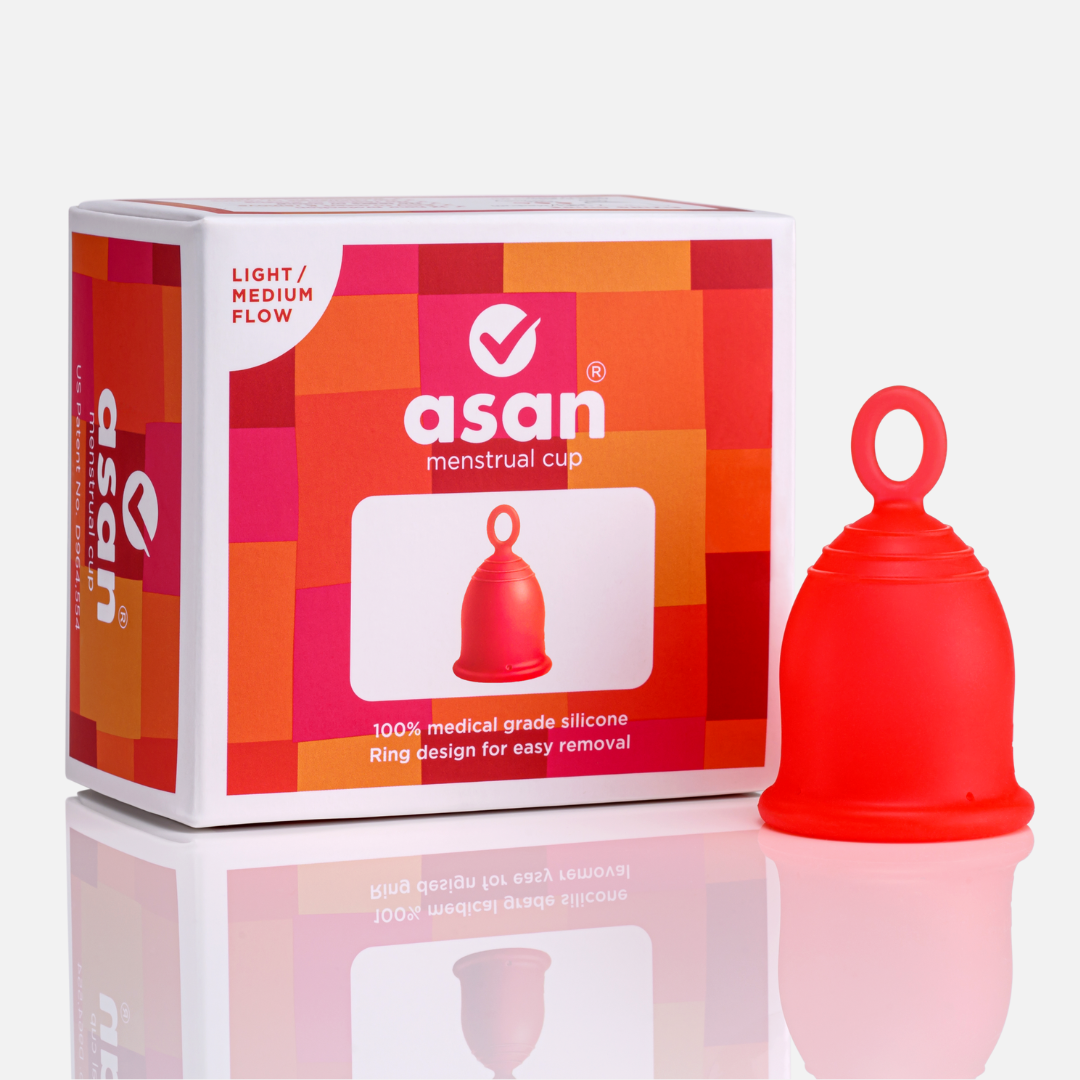
At the same time, at Asan, we have a one-for-one donation built into our model. By buying an Asan cup, you’d be helping provide period care to someone who may not otherwise have access. It’s a simple way of turning an individual choice into something that supports wider access.
Asan
Donate a Cup!
Share

More Posts
View all-
OB-GYN recommended period cup
Switching to a menstrual cup but not sure where to start? From sizing to material quality, here's what gynaecologists recommend keeping in mind before you make the switch.
OB-GYN recommended period cup
Switching to a menstrual cup but not sure where to start? From sizing to material quality, here's what gynaecologists recommend keeping in mind before you make the switch.
-
What is a phantom period?
A phantom period means all the usual symptoms: cramps, bloating, mood swings, but no actual bleeding. Here's what causes it and what your body might be telling you.
What is a phantom period?
A phantom period means all the usual symptoms: cramps, bloating, mood swings, but no actual bleeding. Here's what causes it and what your body might be telling you.
-
Everything you need to know about period poverty in the UK
Period poverty affects an estimated 2.8 million people in the UK, yet it remains widely misunderstood. From choosing between food and period products to lacking access to safe bathrooms, the...
Everything you need to know about period poverty in the UK
Period poverty affects an estimated 2.8 million people in the UK, yet it remains widely misunderstood. From choosing between food and period products to lacking access to safe bathrooms, the...
-
What can cause black blood during menstruation?
Seeing black or dark period blood can be surprising, but it's often completely normal. From oxidation to hormonal shifts, there are many reasons your menstrual blood changes colour and most...
What can cause black blood during menstruation?
Seeing black or dark period blood can be surprising, but it's often completely normal. From oxidation to hormonal shifts, there are many reasons your menstrual blood changes colour and most...