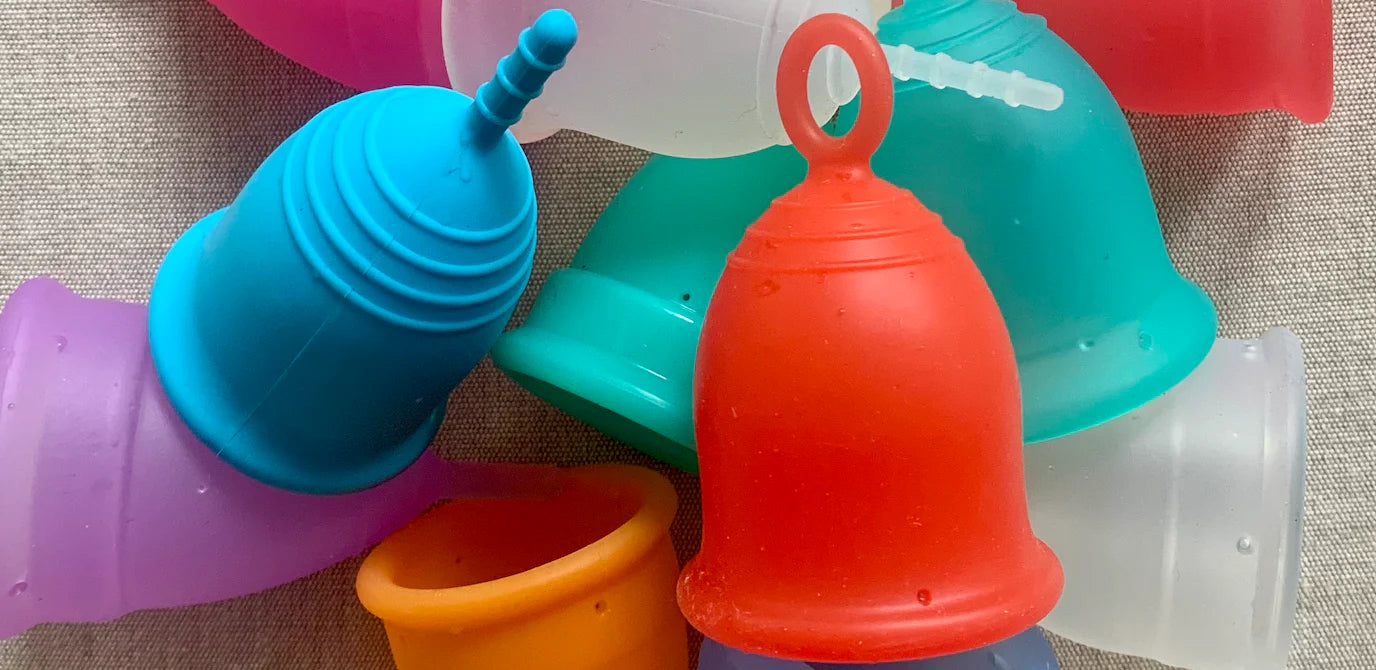
As period cups become more popular, more people are exploring new ways to manage their periods. But seeing all the different cups on the market right now can be overwhelming. How do you pick one from the many options out there?
And more importantly, what do obstetricians/gynaecologists (OB-GYN) want you to keep in mind while switching to a menstrual cup?
This blog is based on OB-GYN recommendations, including Dr Premalatha, who has 23 years of experience in Obstetrics and Gynaecology, including 10 years in the United Kingdom.
How exactly does a cup work?
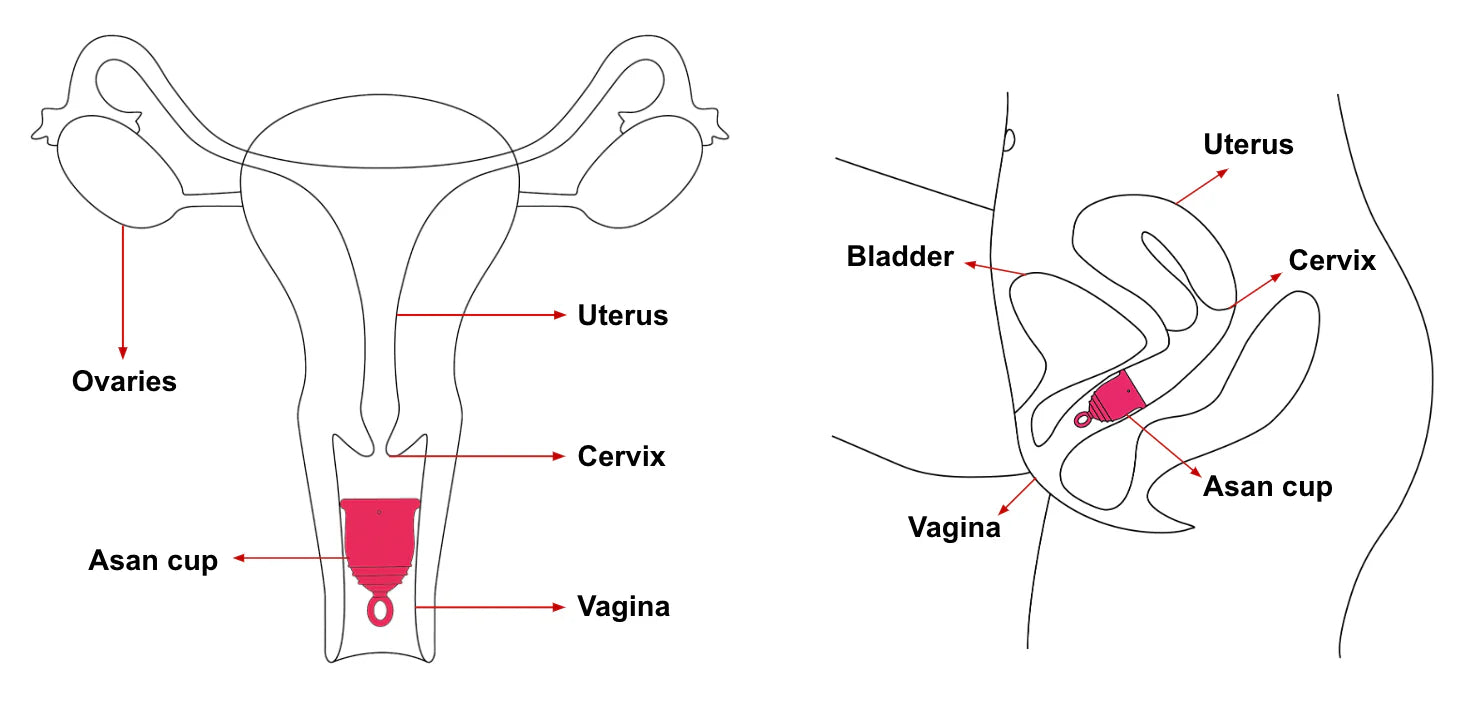
A menstrual cup is different from most other period products you may have used because it collects blood released inside your body rather than absorbing it. When choosing a cup, OB-GYN’s suggest a bell-shaped cup, as it helps create suction around your vaginal muscles, holding it in place while keeping you comfortable. The seal formed by the cup provides leak-free protection once it is inserted inside you.
What should a menstrual cup be made from?
Since a menstrual cup goes inside your body, it is very important to prioritise quality and safety. A good quality cup can be reused for up to 10 years! Ideally, you should go for cups made from Class VI medical-grade silicone with ISO certification. That may sound like a lot of scientific jargon, but it simply means the cup's material is the same as that used for breast implants and heart stents, making it safe to use.
How do you choose the right size?
Cups give you a good opportunity to know your flow and learn about your body in ways you haven't before.
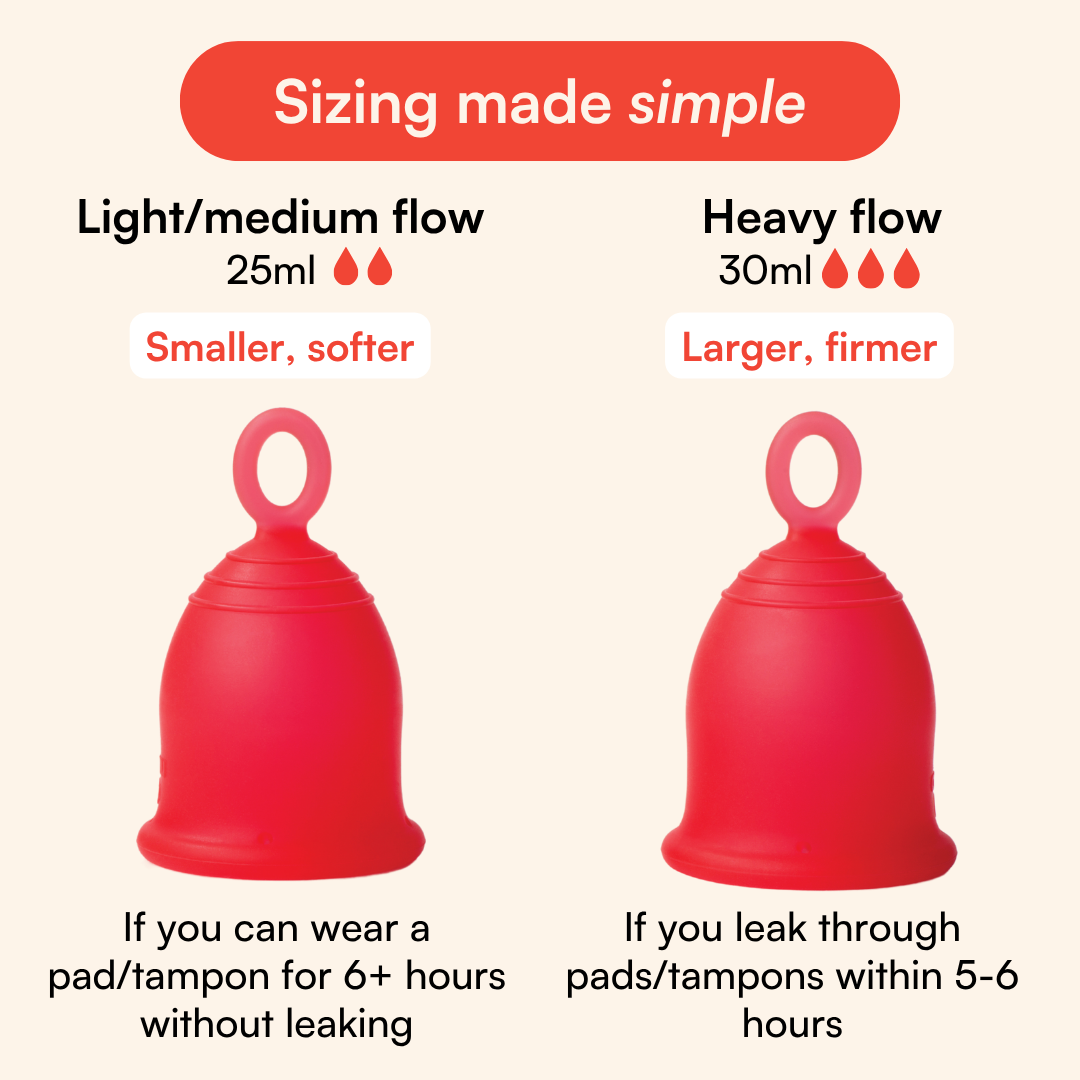
Menstrual cup sizing can feel a lot like women's clothing sizes: every brand seems to have its own system, leaving users confused about what to choose. At Asan, the cup sizes are simply based on your flow, making it easier to find the right fit for your body. Let's find out which size works best for you based on your usual pad usage.
Light/medium flow
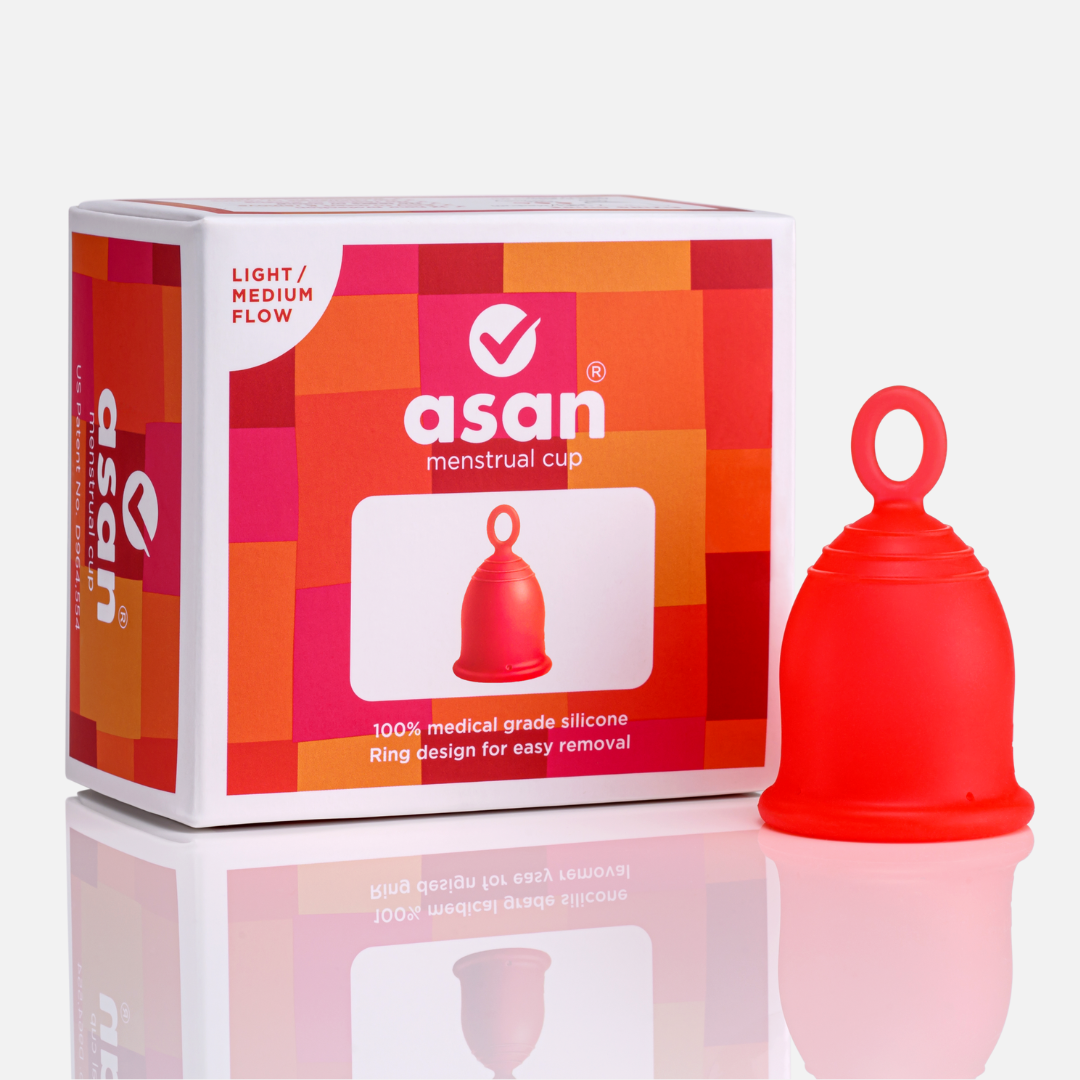
If you find yourself changing your pad every 6 hours or more without leaking, opt for the light/medium flow cup. They’re usually not very firm, which makes them ideal for beginners trying the cup for the first time. The light/medium-sized Asan menstrual cup is ideal for beginners just starting their menstrual cup journey. It has been regarded as one of the easiest cups to remove, which is a pain point for many women.
Heavy flow
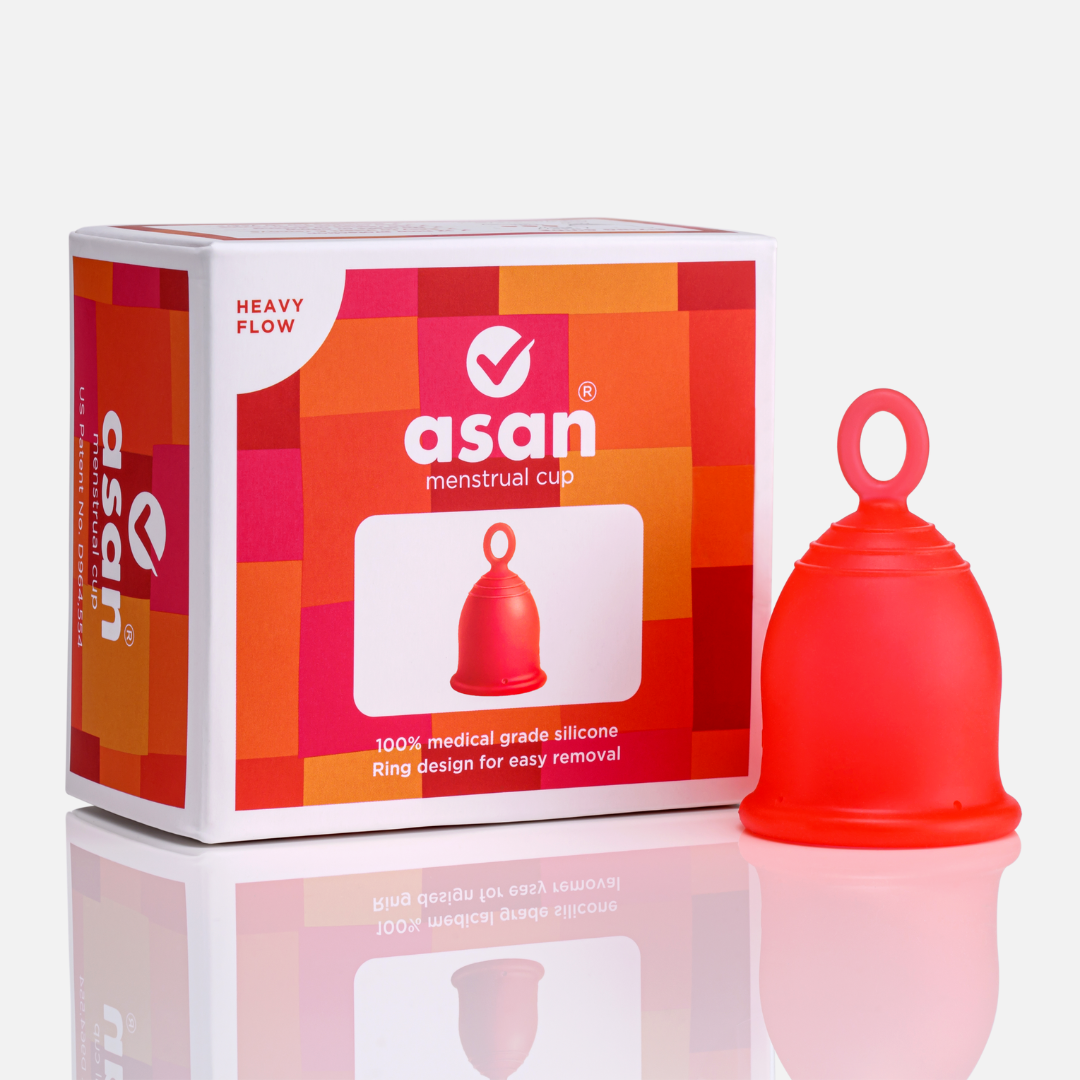
If you tend to leak through your pads within 5-6 hours, then you may have a heavy flow. People who have heavier periods usually opt for a high-capacity menstrual cup with a strong seal. The heavy-flow cups should ideally be larger and firmer, so they hold their shape and prevent leaks.
According to Apollo Hospital, these are the pros and cons of using a menstrual cup:
Advantages of using a menstrual cup
- Unlike tampons, menstrual cups do not dry up the vaginal area. It, in fact, protects vaginal health by preserving the good bacterial flora.
- Chemicals common in tampons and pads, such as bleach and dioxin, are not present in menstrual cups. Some dioxins are known to cause cancer in humans, according to the World Health Organization (WHO).
- Many women have reported less acute cramps when using cups.
- Cups help to eliminate the odour that develops when menstrual blood is exposed to air.
- Most women don’t feel their cups when inserted properly.
- You can exercise or swim with a cup.
- Menstrual cups generate zero waste and are eco-friendly.
Disadvantages of using a menstrual cup
- It can be messy while you get used to it.
- Using a menstrual cup for the first time involves a learning curve.
- It can take some time to find the right fit.
- You shouldn't use menstrual cups if you’re experiencing any vaginal infection.
Dr Amodita Ahuja, a consultant gynaecologist and laparoscopic surgeon, mentions,“Clearly, the pros outweigh the cons. It's just the hesitation of inserting something in your vagina. Once you use it, you will feel that nothing is better than the menstrual cup.”
Adapting to the learning curve
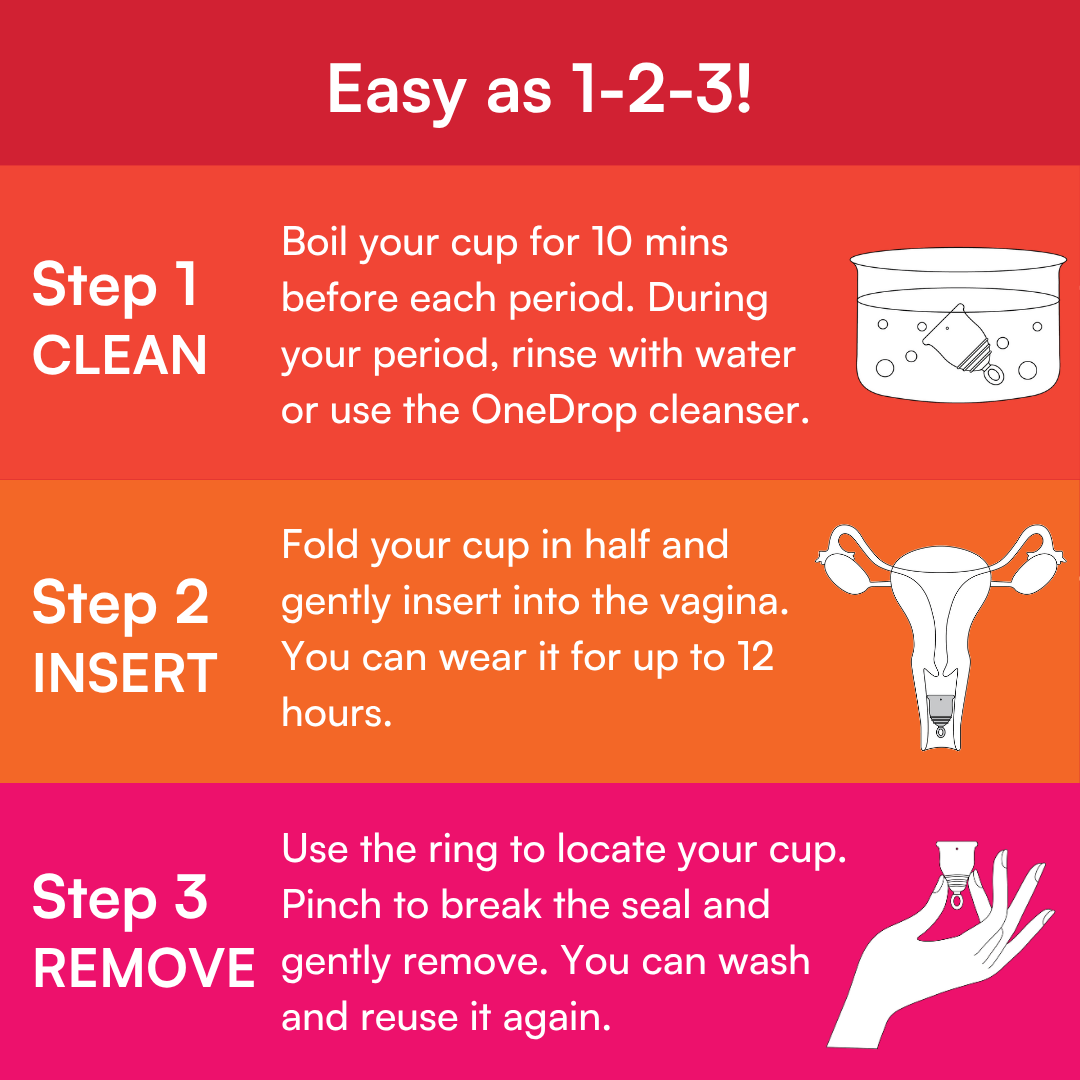
Dr Premalatha reveals that a big reason why more people are not menstrual cup users is due to hesitation around the learning curve and the time it takes to get comfortable with it. Menstrual cups do require behaviour change and adaptation to a new routine since they are different from other period products. The insertion and removal can take a few cycles to get used to. But after the learning period, it does make managing your periods exponentially easier.
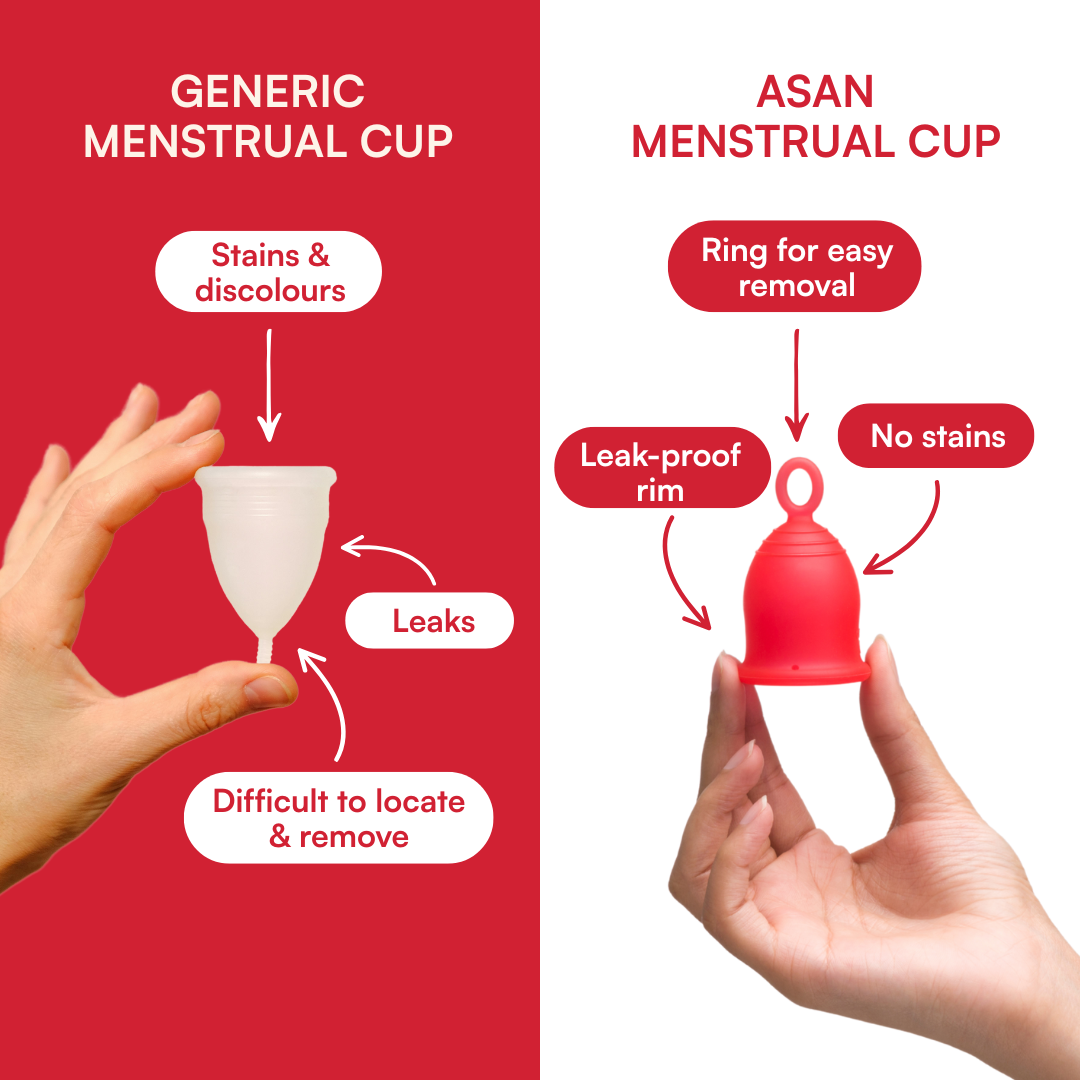
One way to work around that is to look for cups with an easier insertion and removal mechanism. Removing a cup after use tends to be a difficult process for users. This is because your hand often slips trying to locate and grab onto the stem.
Dr. Premalatha approves of the Asan menstrual cup, which has a ring at the end. It makes it easier to locate, grab, and remove. This can make the learning curve a bit easier, especially if you are a beginner.
Using a menstrual cup is a lot like riding a bike. It may feel intimidating at first, but once you get the hang of it, it can be incredibly freeing.
Asan Menstrual Cup

More Posts
View all-
OB-GYN recommended period cup
Switching to a menstrual cup but not sure where to start? From sizing to material quality, here's what gynaecologists recommend keeping in mind before you make the switch.
OB-GYN recommended period cup
Switching to a menstrual cup but not sure where to start? From sizing to material quality, here's what gynaecologists recommend keeping in mind before you make the switch.
-
What is a phantom period?
A phantom period means all the usual symptoms: cramps, bloating, mood swings, but no actual bleeding. Here's what causes it and what your body might be telling you.
What is a phantom period?
A phantom period means all the usual symptoms: cramps, bloating, mood swings, but no actual bleeding. Here's what causes it and what your body might be telling you.
-
Everything you need to know about period poverty in the UK
Period poverty affects an estimated 2.8 million people in the UK, yet it remains widely misunderstood. From choosing between food and period products to lacking access to safe bathrooms, the...
Everything you need to know about period poverty in the UK
Period poverty affects an estimated 2.8 million people in the UK, yet it remains widely misunderstood. From choosing between food and period products to lacking access to safe bathrooms, the...
-
What can cause black blood during menstruation?
Seeing black or dark period blood can be surprising, but it's often completely normal. From oxidation to hormonal shifts, there are many reasons your menstrual blood changes colour and most...
What can cause black blood during menstruation?
Seeing black or dark period blood can be surprising, but it's often completely normal. From oxidation to hormonal shifts, there are many reasons your menstrual blood changes colour and most...