How does hypothyroidism impact your periods?

Let’s talk about a tiny gland that has a big say in how your body runs - the thyroid. It’s a small, butterfly-shaped gland that sits at the base of your neck, quietly producing thyroid hormones that keep your body ticking. From metabolism and energy levels to mood and body temperature, the thyroid is basically like the manager you didn’t know you had.

But sometimes, the thyroid can slow down. That’s what we call hypothyroidism, or an underactive thyroid. In this condition, your thyroid doesn’t make enough of two key hormones - thyroxine (T4) and triiodothyronine (T3). When these levels drop, your whole body feels the effect. There can be fatigue, weight gain, sensitivity to cold, hair changes and changes in your menstrual cycle.

Could hypothyroidism be the reason my periods have gone completely off-track?

There is a lot of connection between your thyroid and menstrual cycle. The thyroid is basically the body’s control center. It produces thyroxine (T4) and triiodothyronine (T3), which regulate metabolism, energy levels, and even your reproductive system as part of the endocrine system. 

When the thyroid is underactive (that’s what hypothyroidism means), levels of T3 and T4 drop. This thyroid dysfunction disrupts the normal balance of gonadotropin-releasing hormone (GnRH), luteinizing hormone (LH), follicle-stimulating hormone (FSH), and estrogen and progesterone - all these hormones control your menstrual cycle.

The result of this is hormone imbalance - Ovulation may not happen regularly, the uterine lining may build up more than usual, and periods can become heavier, longer, or more irregular.

So does that mean my periods will always be heavier with hypothyroidism?

Not always. While heavy periods and prolonged bleeding (menorrhagia) are super common, hypothyroidism can cause a mix of changes:

  • Heavier/longer bleeding - that’s due to the thickened uterine lining.
  • Irregular periods - sometimes longer gaps between periods.
  • Missed periods - or even amenorrhea especially if ovulation is delayed or skipped.

    Some people even experience spotting between periods. It’s less about one specific pattern and more about your thyroid being unpredictable.

But why do I also feel so exhausted during my periods now?

Because hypothyroidism doesn’t just affect your menstrual cycle, it affects your whole body.

Low thyroid hormones slow everything down: metabolism, digestion, energy, heart rate. So when your body is also losing blood every month, the fatigue can hit even harder. If periods were tiring before, with hypothyroidism, they can feel downright draining. Alongside that if your periods are heavier, there could be possible anemia (low hemoglobin) - hypothyroidism heavy bleeding anemia which can add more to the fatigue and you can feel wiped out. 

Are mood swings worse with hypothyroidism too?

Hypothyroidism can amplify PMS symptoms. Mood swings, irritability, anxiety, even depression - these hypothyroidism and PMS symptoms can all be linked to both low thyroid function and shifting reproductive hormones. So if you’ve been feeling extra moody before or during your period, it’s not all in your head. It’s biology, not your personality.

Does hypothyroidism affect fertility too?

Yes, especially since it affects your reproductive health. Since ovulation might not happen regularly with low thyroid hormones, it can cause hypothyroidism fertility issues and make getting pregnant more difficult. But the good news is that once hypothyroidism is properly treated with medication, many people find their cycles and fertility improve significantly. So, don’t panic. Managing your TSH levels can restore the balance.

So how do I manage my periods if I have hypothyroidism?

Here are some practical tips:

  • Get your thyroid levels checked regularly. Blood tests (TSH, T3, T4) help ensure your medication dose is working. Stable thyroid hormones will result in more predictable periods. That is thyroid normalisation and period return.

  • Take your medication consistently. Levothyroxine (the most common thyroid hormone replacement) needs to be taken daily and usually on an empty stomach. Skipping doses can throw everything off.

  • Support your body with nutrition. Eat Iron-rich foods to prevent anemia from heavy periods. Selenium and iodine are good for thyroid health. Talk to your doctor before supplementing. Whole grains, fruits, and veggies are needed for steady energy. 

  • Find a balance between rest and movement. Gentle exercise (walking, yoga, stretching) can improve energy and mood. Pair it with good rest, especially during your period.

Can using a menstrual cup help me track what’s going on with my periods?

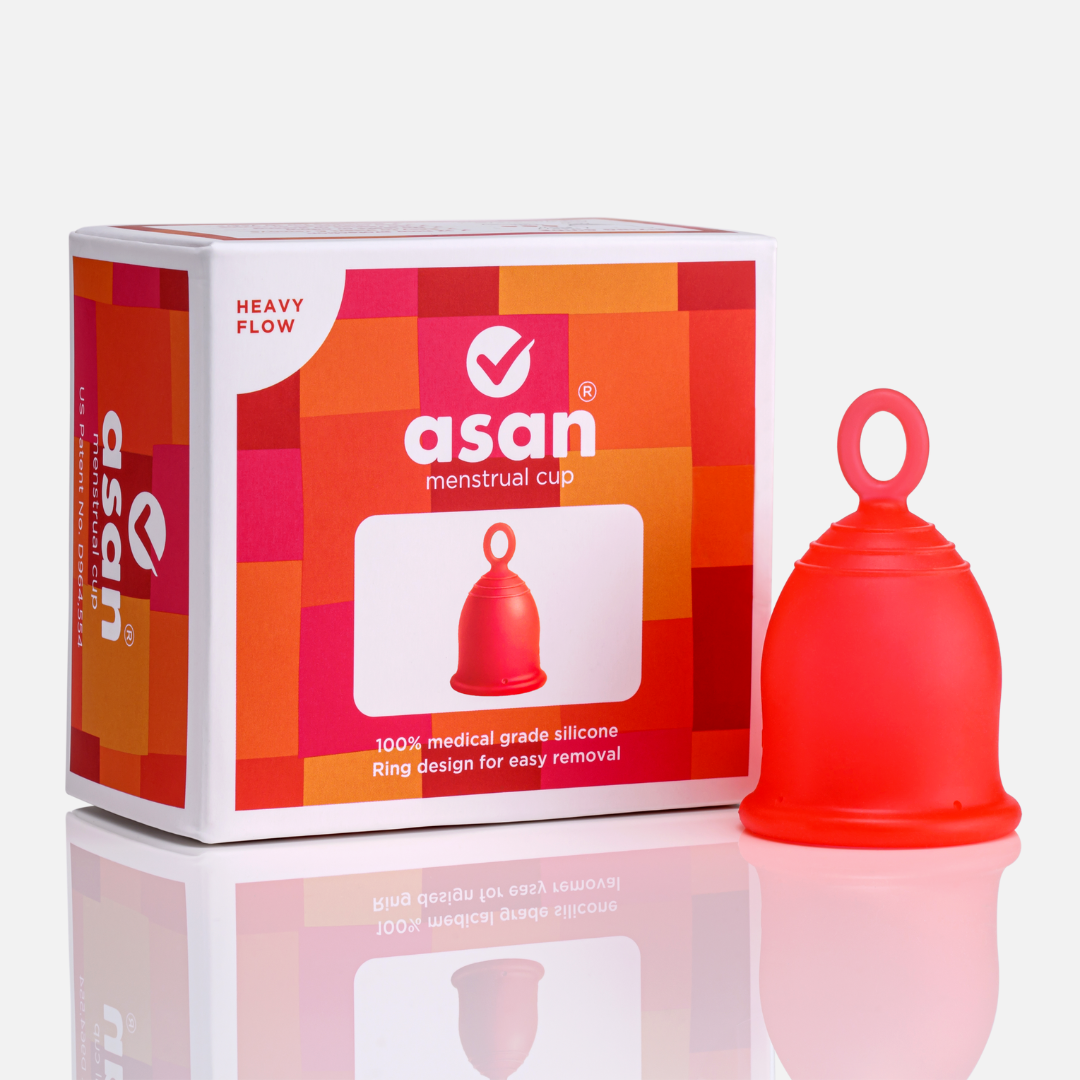
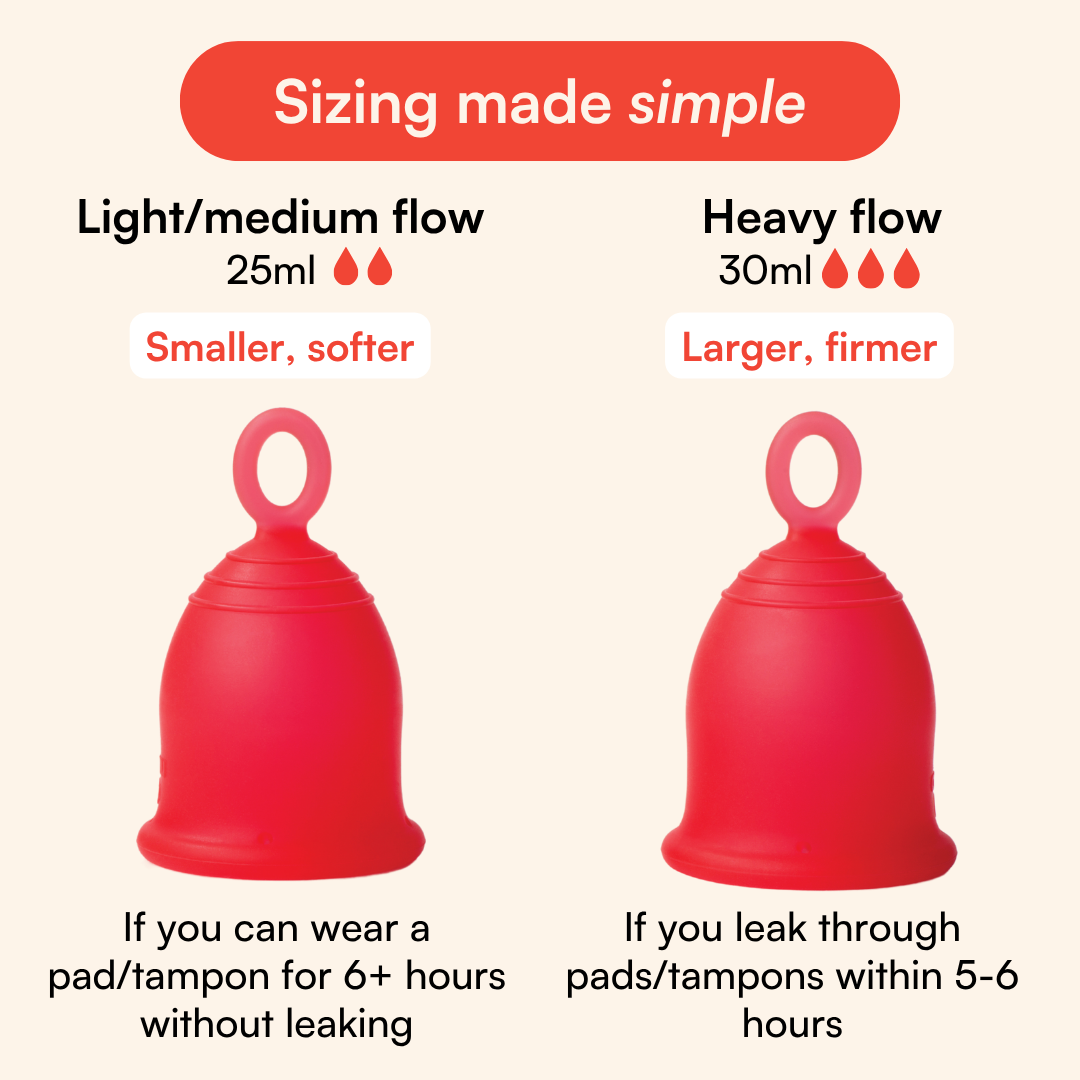
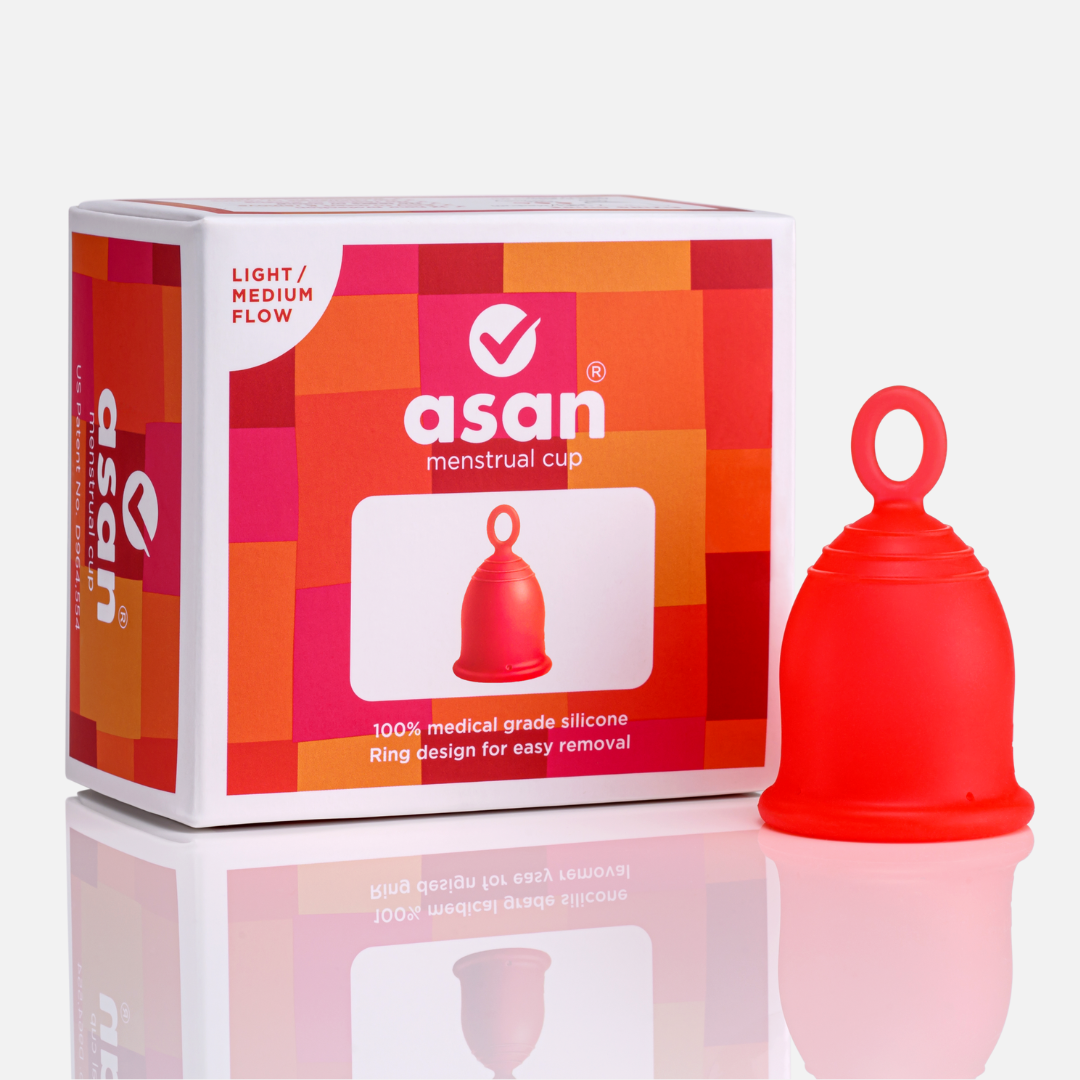
Definitely! Menstrual cups are amazing for understanding your flow. With pads or tampons, it’s harder to tell exactly how much you’re bleeding. With a cup, you can measure your flow (most cups hold between 25–30ml), which is super helpful if you’re experiencing heavier periods.

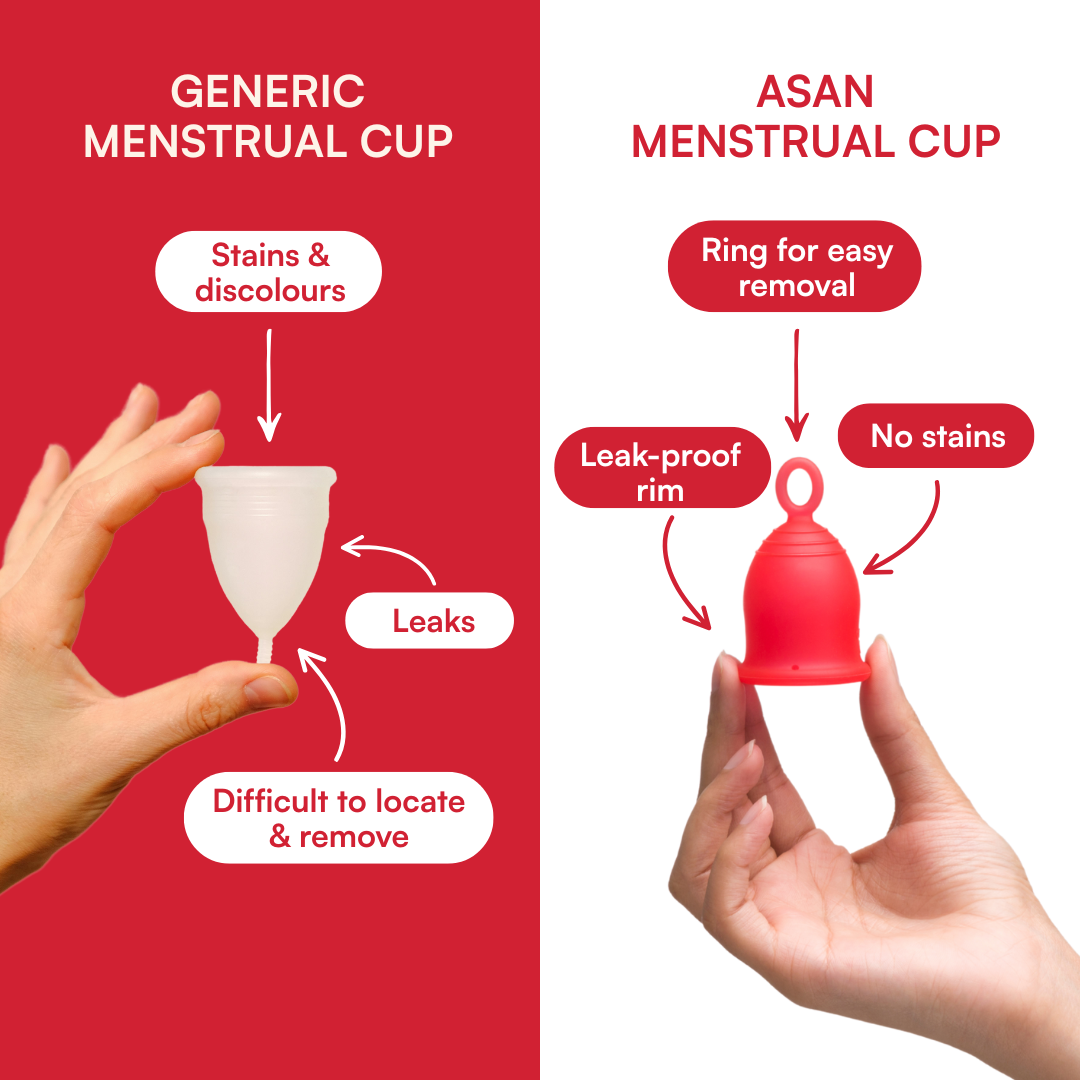
If you notice you’re filling the cup more quickly than usual, that’s a sign to talk to your doctor about thyroid dysfunction and heavy bleeding. It’s also a more comfortable and sustainable option, especially when periods are longer. To know more about using menstrual cups read our blog.

Should I be worried about my heavy periods with hypothyroidism?

Heavy periods can increase your risk of anemia (low iron), which causes fatigue, weakness, and dizziness. If you’re changing pads/tampons/cups every 1–2 hours, passing large clots, or bleeding for more than 7 days, it’s important to see a doctor. 

The combination of thyroid treatment plus managing heavy bleeding can make a huge difference in how you feel. Understanding hypothyroidism symptoms related to your menstrual cycle is key to getting proper treatment. To know more read our blog on iron deficiency anemia and heavy periods. 

Is there anything else I can do to make periods easier with hypothyroidism?

 Yes! These are a few things you could try :

  • Heat therapy - heating pads or hot water bottles for cramps.

  • Hydration - drink plenty of water to reduce bloating and fatigue.

  • Magnesium-rich snacks such as dark chocolate, nuts, seeds can help ease cramps and improve mood.

  • Sleep hygiene - Aim for consistent bedtimes, since thyroid issues often cause fatigue.

  • Talk openly with friends, family, or even support groups. It helps to know you’re not alone.

What is Hashimoto's disease and how does it affect periods?

Hashimoto's disease is an autoimmune condition and the most common cause of hypothyroidism. In Hashimoto's, the immune system attacks the thyroid gland, leading to thyroid autoimmunity menstrual cycle disruptions. This can cause irregular periods, heavy bleeding, or missed periods.

The connection between thyroid and menstrual cycle health is particularly strong with Hashimoto's, as fluctuating antibody levels can cause varying degrees of thyroid dysfunction. Proper diagnosis and treatment can help stabilize both your thyroid and your periods.

Can subclinical hypothyroidism affect my periods even if my symptoms are mild?
Yes, even subclinical hypothyroidism (where TSH levels are slightly elevated but T3 and T4 are still normal) can cause subclinical hypothyroidism periods issues. You might experience irregular periods, changes in period length, or oligomenorrhea (infrequent periods).

Some people also notice that their estrogen and progesterone levels get thrown off when their thyroid isn't working properly. If you're having menstrual irregularities, it's worth getting thyroid function tests done even if you don't have obvious hypothyroidism symptoms.

This blog is written by Dr Meghdeepa K. All content is medically accurate. However this blog does not provide medical advice. Please consult a healthcare professional if you are facing any unusual symptoms.