How to manage extremely painful periods

Extremely painful periods can feel exhausting and disruptive. This kind of pain is called dysmenorrhea. The good news is that with the right pain management strategies, it can be controlled.

What causes extremely painful periods?

Period pain happens when the uterus contracts to shed its lining. These contractions are triggered by hormone-like chemicals called prostaglandins. When prostaglandin levels are high, contractions become stronger and more painful.

However, severe period pain can also be linked to underlying conditions, including:

  • Endometriosis: Where tissue similar to the uterine lining grows outside the uterus. To learn more about the endometriosis experience, read this blog.
  • Fibroids: Non-cancerous growths in the uterus
  • Adenomyosis: Uterine lining tissue grows into the uterine wall
  • Menorrhagia: Heavy bleeding and cramps that come together

According to the NHS, persistent or worsening period pain should always be evaluated rather than ignored. Read further to learn how to manage period pain. You can also find further tips in this blog.

Eat non-inflammatory foods to support pain relief

Severe period pain is often linked to inflammation in the body. Consuming non-inflammatory food is one the best natural remedies for period pain. Foods that may help include:

  • Omega-3 rich foods (fatty fish, flaxseeds, walnuts), which are known to reduce inflammation

  • Leafy greens and vegetables rich in magnesium, which helps relax muscles and reduce cramping

  • Complex carbohydrates like oats and brown rice, which support steady blood sugar and energy levels

It may also help to limit:

  • Ultra-processed foods
  • Excess sugar
  • Caffeine, which may worsen cramps and muscle tension

The National Library of Medicine suggests that anti-inflammatory dietary patterns can support dysmenorrhea management when combined with other treatments. This blog can help you learn about more foods to eat during your period.

Use heat therapy to relax uterine muscles

Heat remains one of the most effective ways to manage severe menstrual cramps at home. Hot water bottles, heating pads, or heat patches can be especially helpful during the first one or two days and even for managing period pain at night.

Applying heat to the lower abdomen:

  • Relaxes uterine contractions
  • Improves blood flow
  • Reduces pain signals

Clinical studies have found that continuous heat therapy may provide period pain relief comparable to NSAIDs for period pain.

Hormonal contraception

Hormonal contraception is often prescribed for extremely painful periods and dysmenorrhea because it suppresses ovulation and reduces prostaglandins, the hormones responsible for severe menstrual cramps. 

According to the NHS, methods like the combined oral contraceptive pill (containing estrogen and progesterone) or hormonal IUD can significantly ease painful periods, especially in cases linked to endometriosis or heavy bleeding. You can read more about IUDs and periods here. For many, this leads to lighter periods and more manageable pain over time.

Gentle movement and stretching

If you’re dealing with extreme menstrual cramps, intense workouts can sometimes make pain worse. Instead, gentle exercise benefits blood circulation and releases endorphins, the body’s natural pain relievers.

Helpful options include:

Even short sessions can ease stiffness and help reduce pain intensity over time, helping the body to relax.

When to see a GP for period pain

You should speak to a GP if:

  • Pain is severe and doesn’t respond to painkillers
  • Period pain is getting worse over time
  • You experience heavy bleeding, clots, or symptoms of anaemia
  • Pain affects sleep, work, or daily life

Doctors may recommend ibuprofen or paracetamol medication for immediate relief as these are the best painkillers for period cramps. Severe period pain can be treated, but effective treatment starts with the underlying cause.

Comfort and period products
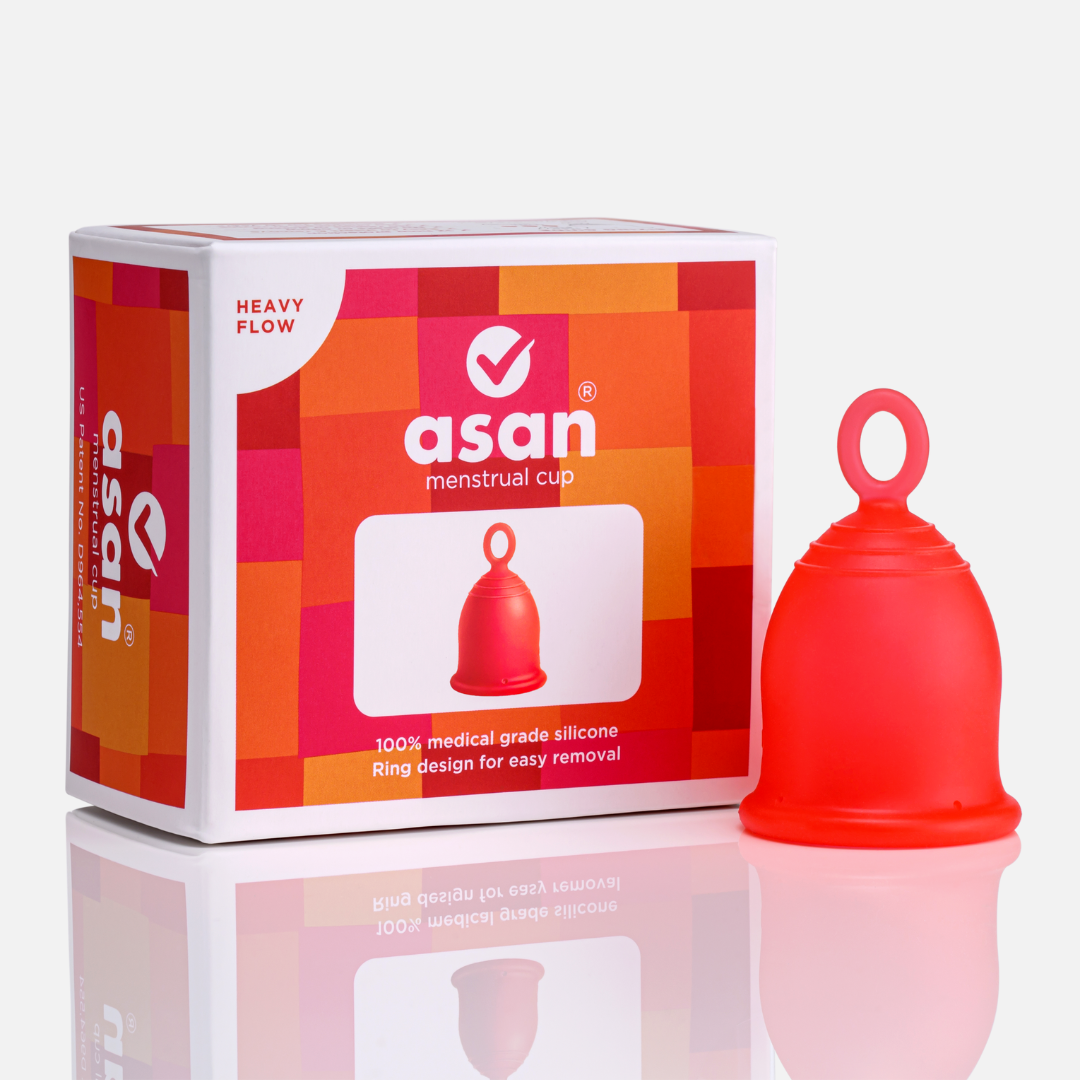
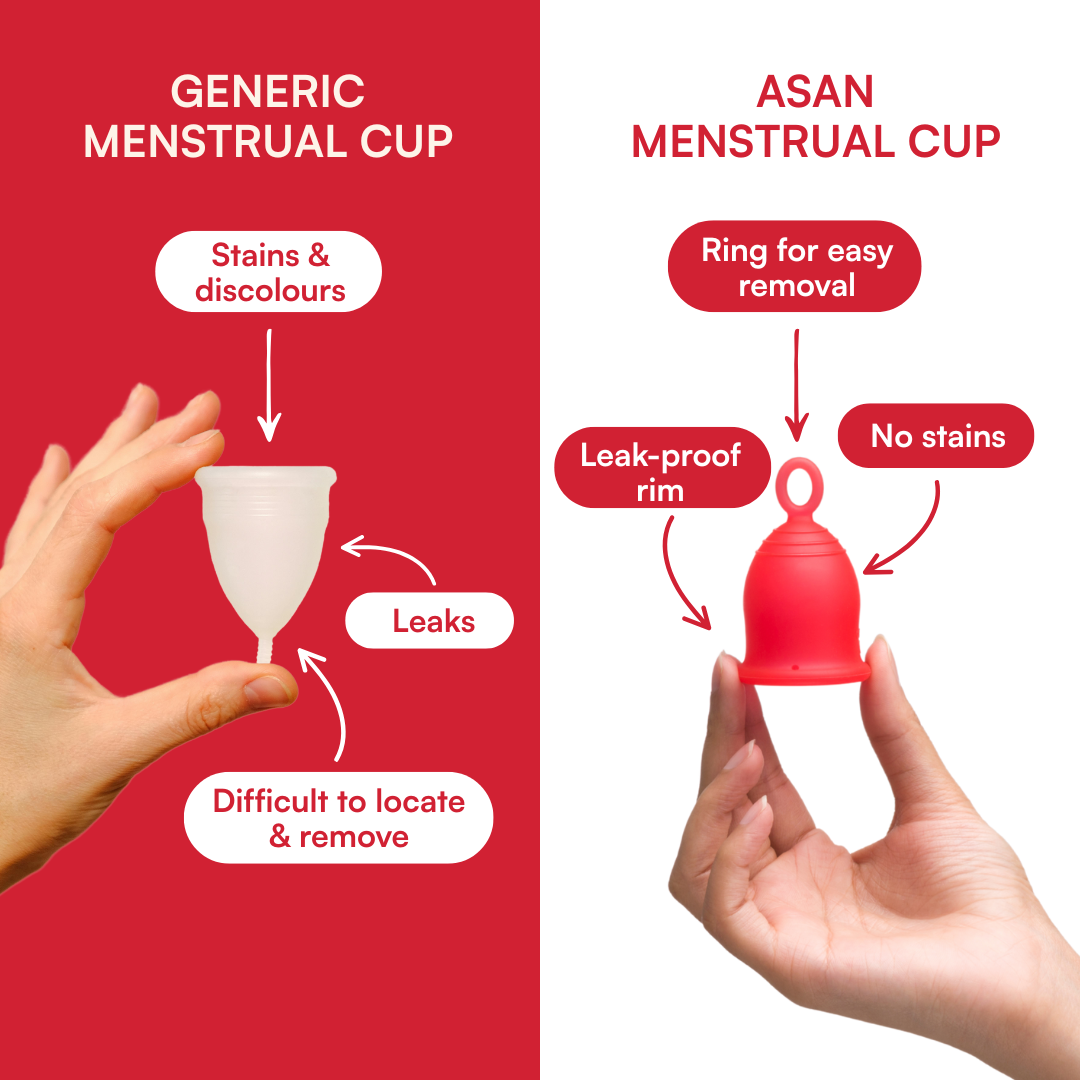
During painful periods, pressure and discomfort can make cramps feel worse. Some people find that internal period products, like menstrual cups, reduce that pressure compared to pads or tampons.

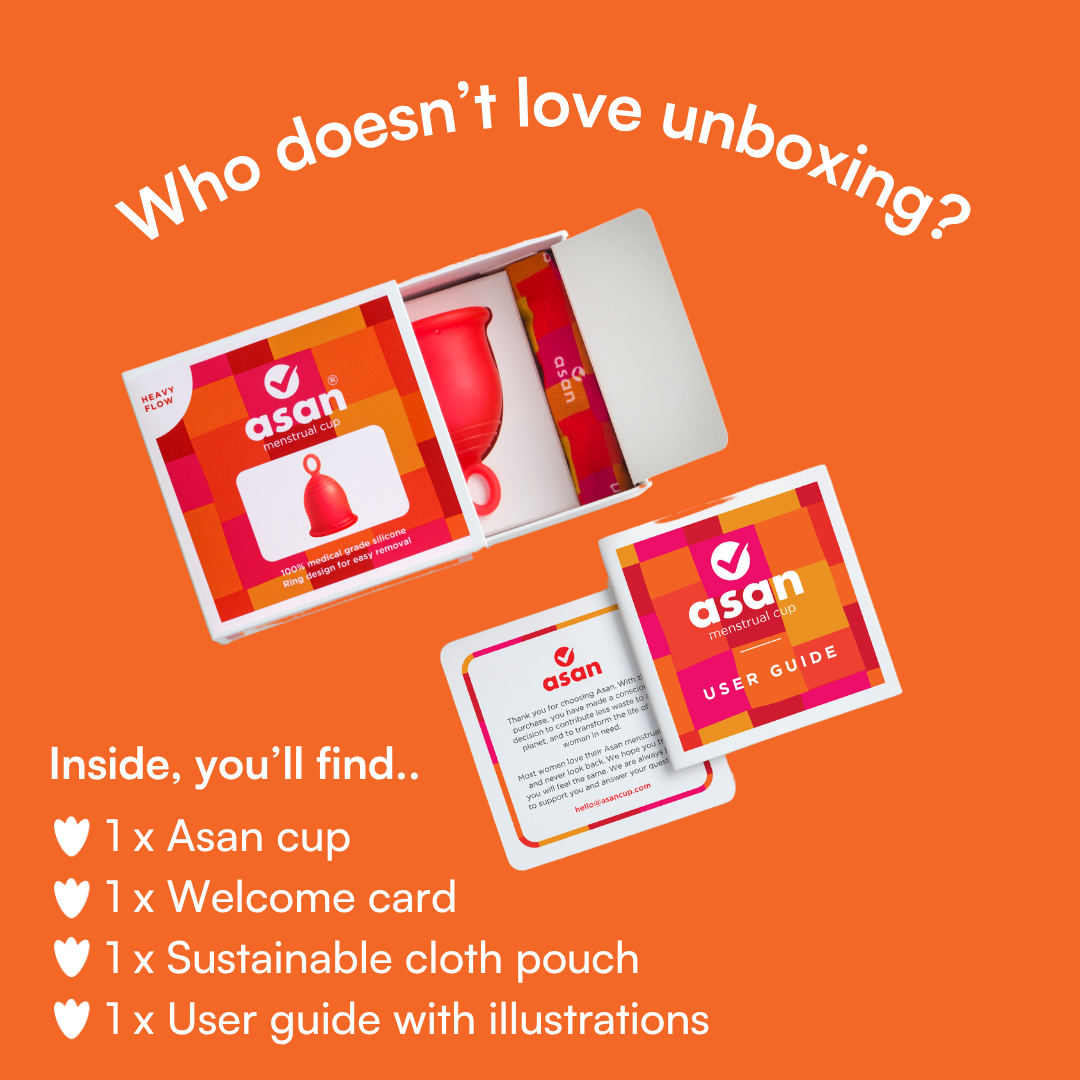
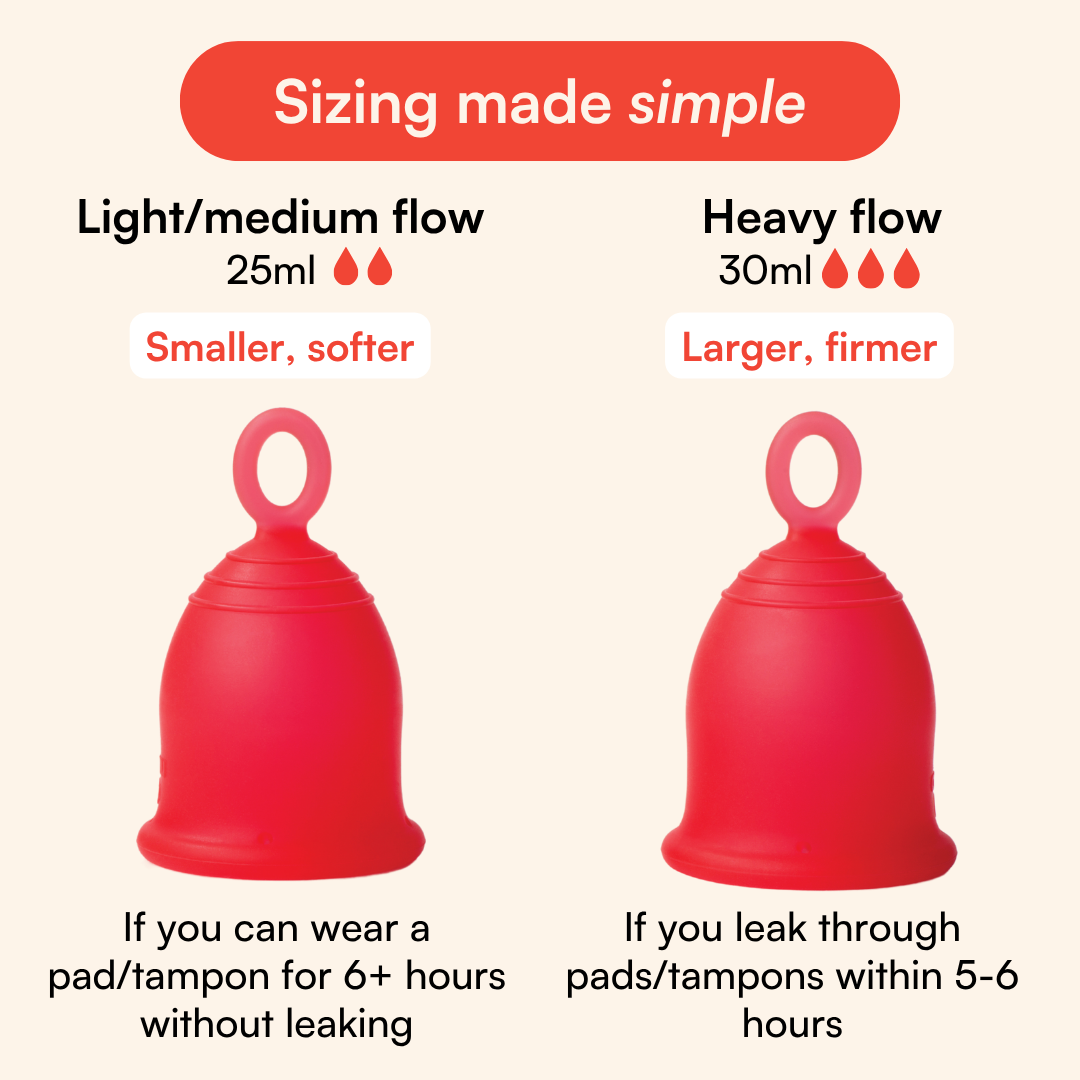
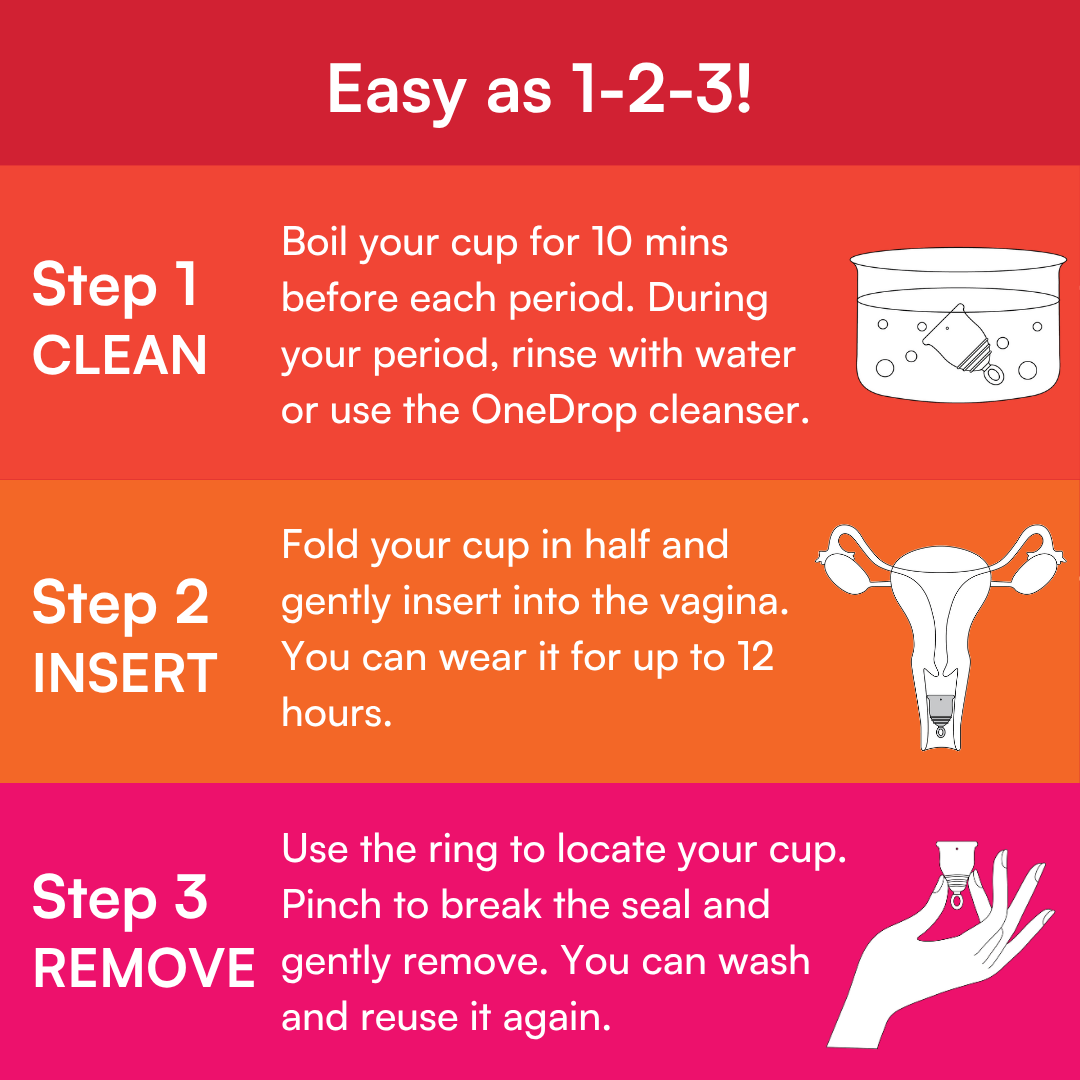
The Asan menstrual cup, made from soft medical-grade silicone, sits low in the vaginal canal and allows freer movement, which can be especially helpful when cramps are intense and you want fewer product changes throughout the day. You can learn more about menstrual cups in this blog.