What can cause spotting before your period?

Spotting before your period can feel confusing and annoying. You’re not fully bleeding, but you’re not exactly period-free either. If you wonder whether spotting before periods is normal, we will break it down for you in this blog.

Is spotting before periods normal?

Occasional spotting before your period can be normal, especially if it happens once in a while or during times of stress or hormonal change. However, if spotting becomes frequent, lasts several days every cycle, or is accompanied by pain, fatigue, or very heavy bleeding, it’s important to speak to a healthcare professional.

According to the NHS, spotting between periods is fairly common and is often linked to hormonal changes or contraception, but persistent bleeding should be checked. The cause of spotting during periods are plenty. Below are some of the most likely reasons.

Hormonal imbalance

Hormonal imbalance is one of the most common causes of pre-period spotting. Your menstrual cycle depends on a careful balance between oestrogen and progesterone. If progesterone levels drop earlier than they should, the uterine lining can begin to shed slightly before your actual period starts.

This often shows up as brown spotting before period or very light bleeding one to three days before menstruation. Hormonal shifts can be triggered by stress, sudden weight changes, intense exercise, illness, or major lifestyle changes.

Ovulation and cycle variation

Some people experience light spotting around ovulation or in cycles that are naturally shorter or irregular. If your cycle length varies, you might mistake ovulation-related spotting for early period bleeding.

While this kind of light bleeding before period is usually harmless, frequent spotting across multiple cycles is worth paying attention to.

Pregnancy-related spotting

Spotting can sometimes be linked to early pregnancy. Implantation bleeding vs spotting can be hard to tell apart, especially if you’re actively trying to conceive. Implantation bleeding typically occurs 6–12 days after ovulation and is usually lighter and shorter than a period. However, The Cleveland Clinic explains that implantation bleeding is usually mild and does not last more than a couple of days.

If you’re experiencing spotting before period but a negative pregnancy test, it could simply mean it’s too early to test, or that the spotting is unrelated to pregnancy altogether.

Birth control and IUDs

Hormonal contraception can easily cause spotting between periods. Starting a new pill, switching methods, missing doses, or using a hormonal IUD can all lead to breakthrough bleeding.

With IUDs, especially for the first few months, spotting is very common as your uterus adjusts. This typically settles over time.

PCOS and thyroid issues

Conditions that affect hormones often affect bleeding patterns too. Spotting usually happens because ovulation doesn’t always occur regularly, which disrupts the normal buildup and shedding of the uterine lining.

Similarly, thyroid disorders can interfere with reproductive hormones. The Hormone Health Network notes that both underactive and overactive thyroid conditions can cause irregular cycles and spotting.

Fibroids and uterine changes

Uterine fibroids are non-cancerous growths that can cause irregular bleeding, including spotting before periods, heavier flow, or longer cycles. Structural changes in the uterus can affect how and when the lining sheds.

Uterine fibroids may develop from a stem cell in the smooth muscular tissue of the uterus. A single cell divides over and over. In time it turns into a firm, rubbery mass distinct from nearby tissue.

Stress and lifestyle factors

Stress doesn’t just affect your mood, it directly impacts hormones that regulate your cycle. It’s a common cause of spotting before period, especially during emotionally or physically demanding phases of life. 

For some people, this shows up as brown spotting before a period rather than a full flow. In others, stress may delay ovulation altogether, which can shift the entire cycle and lead to spotting instead of a period.

What can you do about spotting before periods?

While you can’t always stop spotting completely, there are a few things that help manage it better:

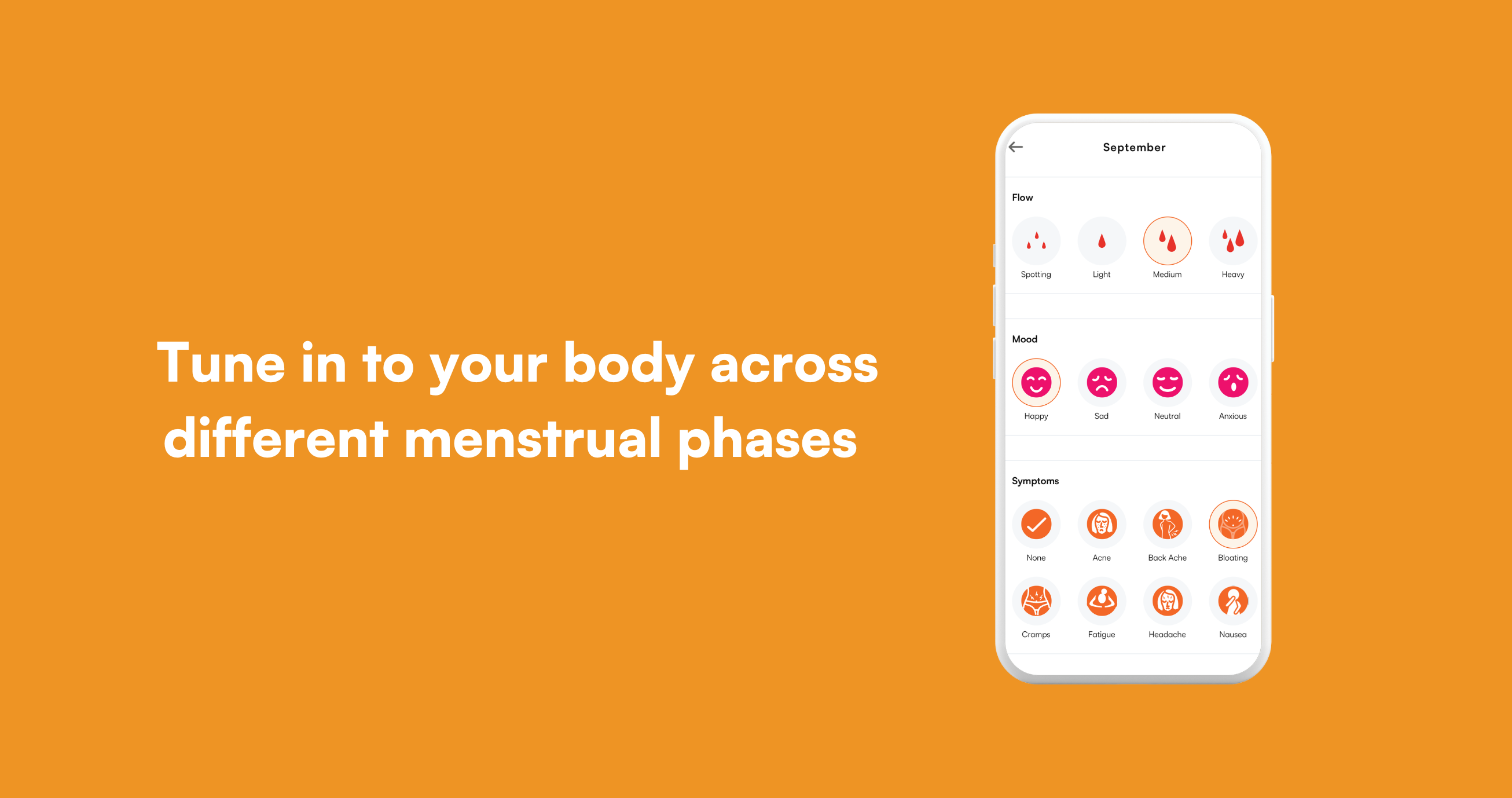
  • Track your cycle to notice patterns
  • Reduce stress and prioritise rest
  • Eat balanced meals to support hormone health
  • Get checked if spotting is persistent or worsening

From a practical standpoint, spotting days can be unpredictable and awkward. Liners feel wasteful, pads feel excessive, and wearing nothing often leads to stains. This is where period underwear can be genuinely useful.

When should you see a doctor?

You should consider medical advice if:

  • Spotting happens every cycle for several months
  • Bleeding becomes heavier or painful
  • You experience spotting along with severe fatigue or dizziness
  • Your cycle suddenly changes without explanation

Your cycle is a useful signal. It is normal to have spotting before period, but it is something to listen to. Understanding what’s behind it helps you take better care of your body, and makes those in-between days much easier to handle.