If you recently switched to using period underwear, you already know how liberating it feels to negate pads and tampons. It’s comfortable, sustainable, and leak-proof!
But the major questions that pop up: How often should you wash your period underwear? Is it okay to wear them more than once before washing? Can you wash period underwear in the washing machine, or is hand washing better?
Let’s break down the best practices to wash period underwear step by step.
Do I need to wash my reusable period underwear after every use?
Yes, always wash your period underwear after every use.
Period underwear absorbs menstrual blood and body fluids, making it a potential medium for bacterial growth if left unwashed. Additionally, your body sweat and natural discharge creates a moist environment that can expedite bacterial growth. Washing after every wear removes micro-organisms, prevents odor, and preserves the fabric’s absorbency.
If you’re using multiple pairs through your cycle, having a small rotation (3-5 pairs) makes it easier to wash and dry them between wears.
Washing your period underwear promptly:
- Prevents stains from settling in.
- Maintains absorbency by keeping the fabric layers clean.
- Avoids bacterial or microbial growth that can lead to irritation.
- Prolongs the lifespan of the product (many good-quality pairs last up to 2-3 years with proper care).
While it may feel tedious to wash them daily, it’s actually the best way to protect both your body and your underwear.
What is the right way to wash period underwear?
Caring for your period underwear doesn’t have to be complicated. Here’s a period pants washing guide you can follow:
Step 1: Rinse immediately after use
As soon as you remove your period underwear, ensure you rinse it with cold water. Gently squeeze until the water runs clear. Cold water is crucial as it prevents blood from setting into the fabric.
Step 2: Hand wash or machine wash gently
After rinsing, you can either hand wash it or pop it into the washing machine. If you use a machine:
- Put them in a mesh laundry bag to prevent stretching.
- Choose a gentle cycle with cold or lukewarm water.
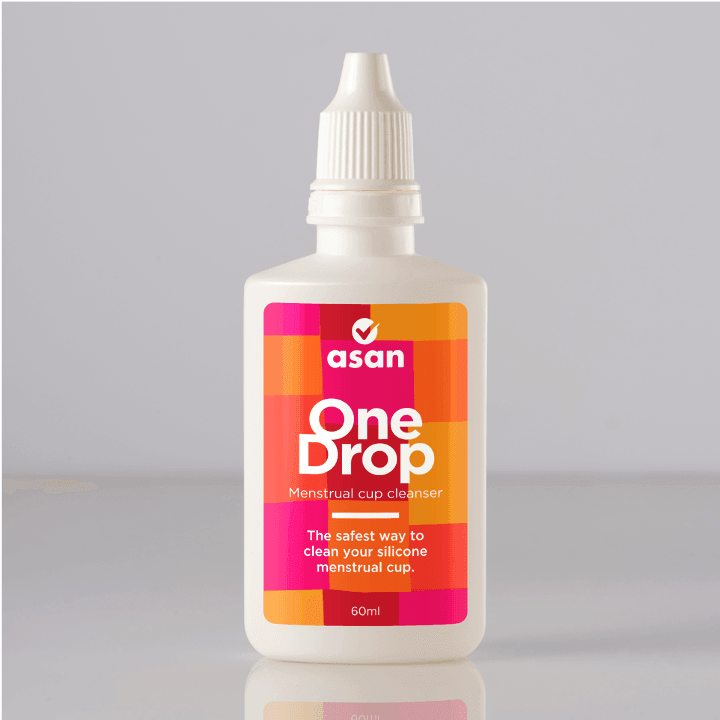
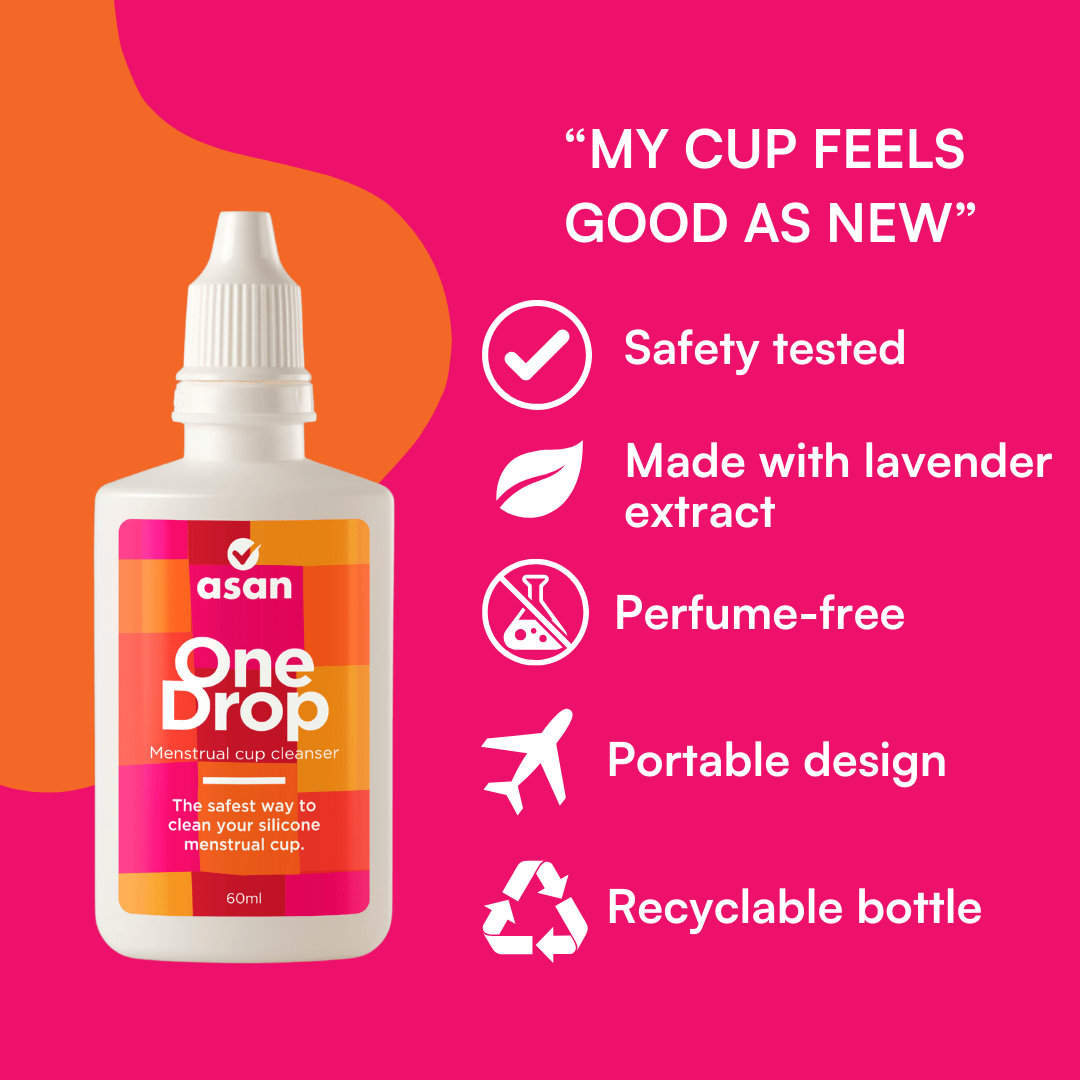
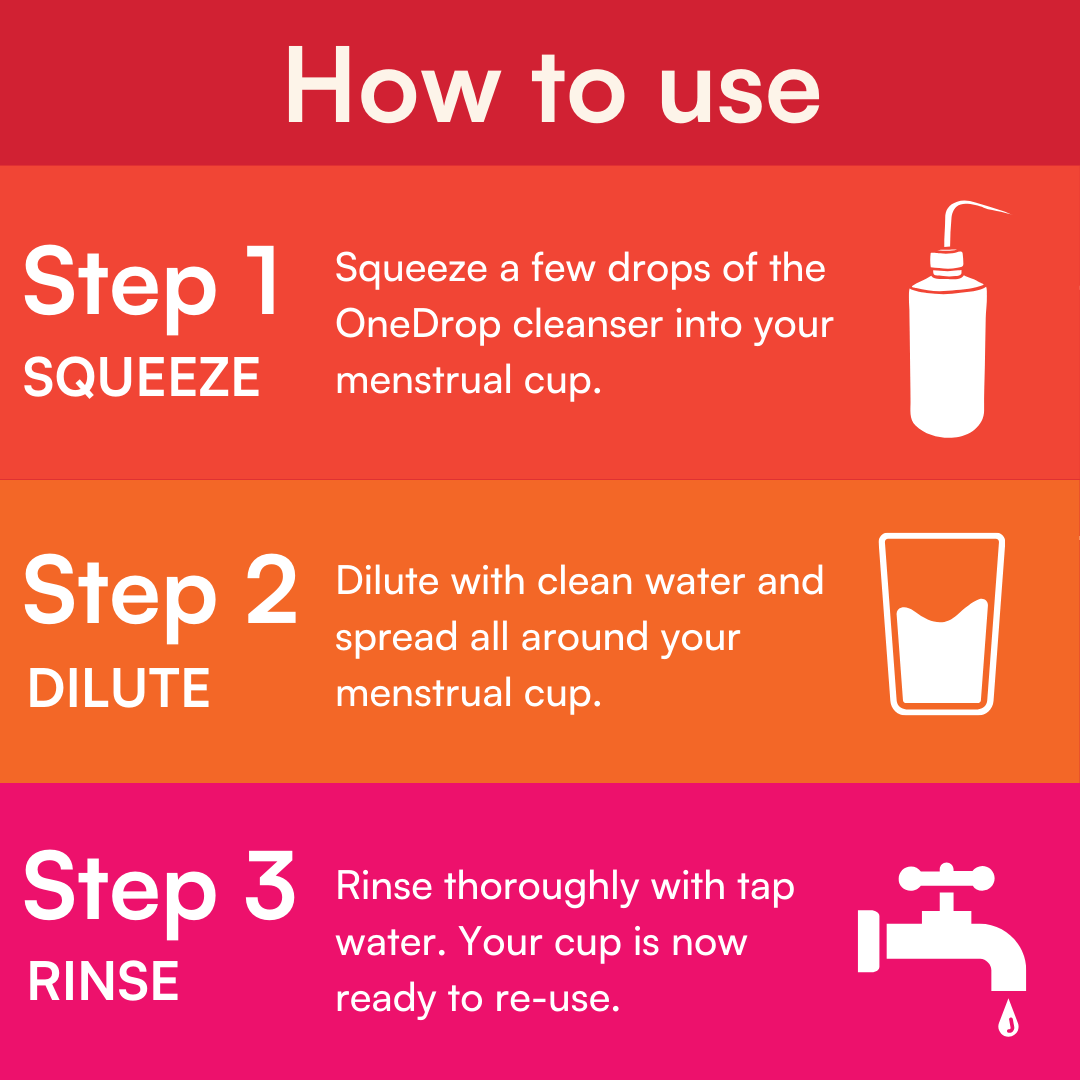
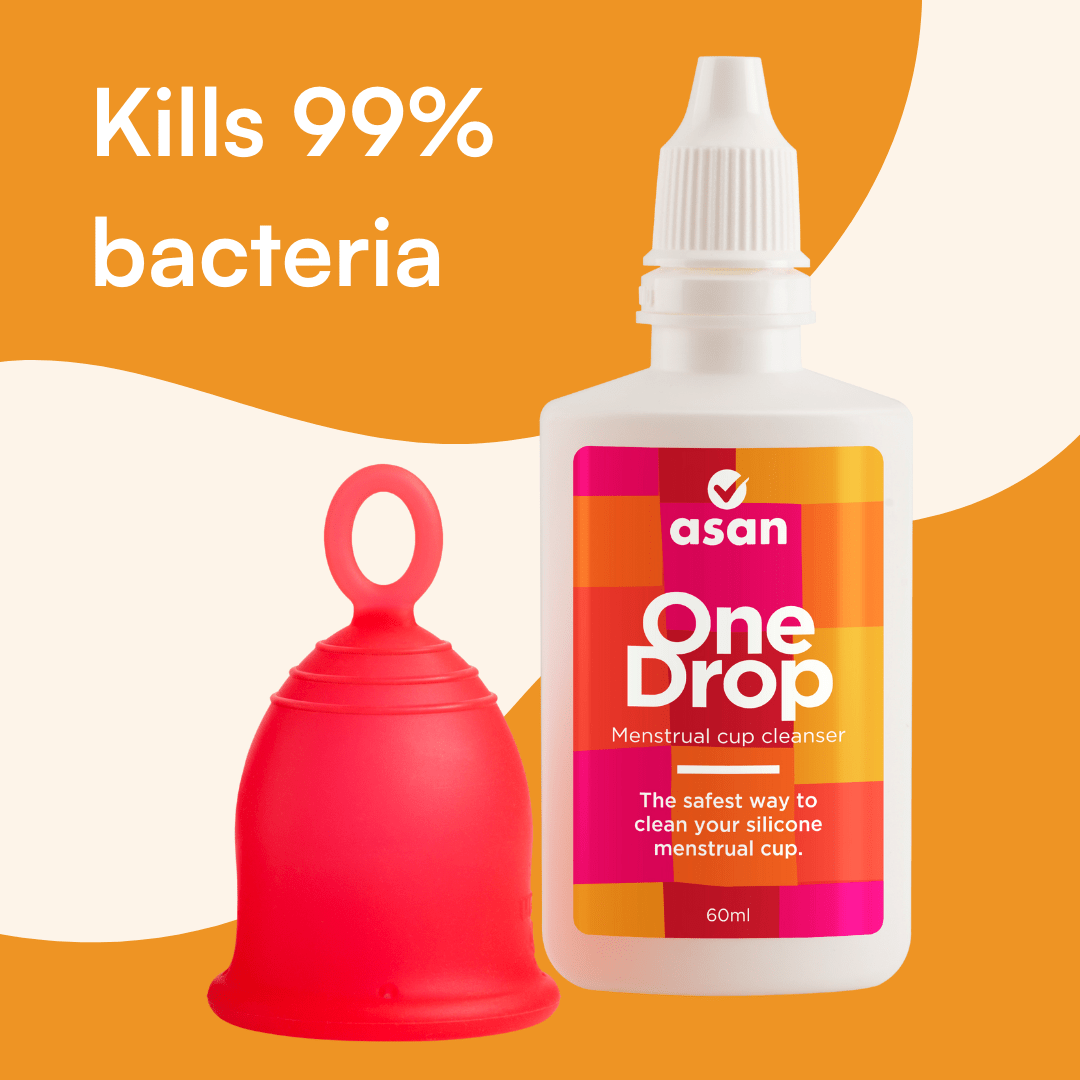
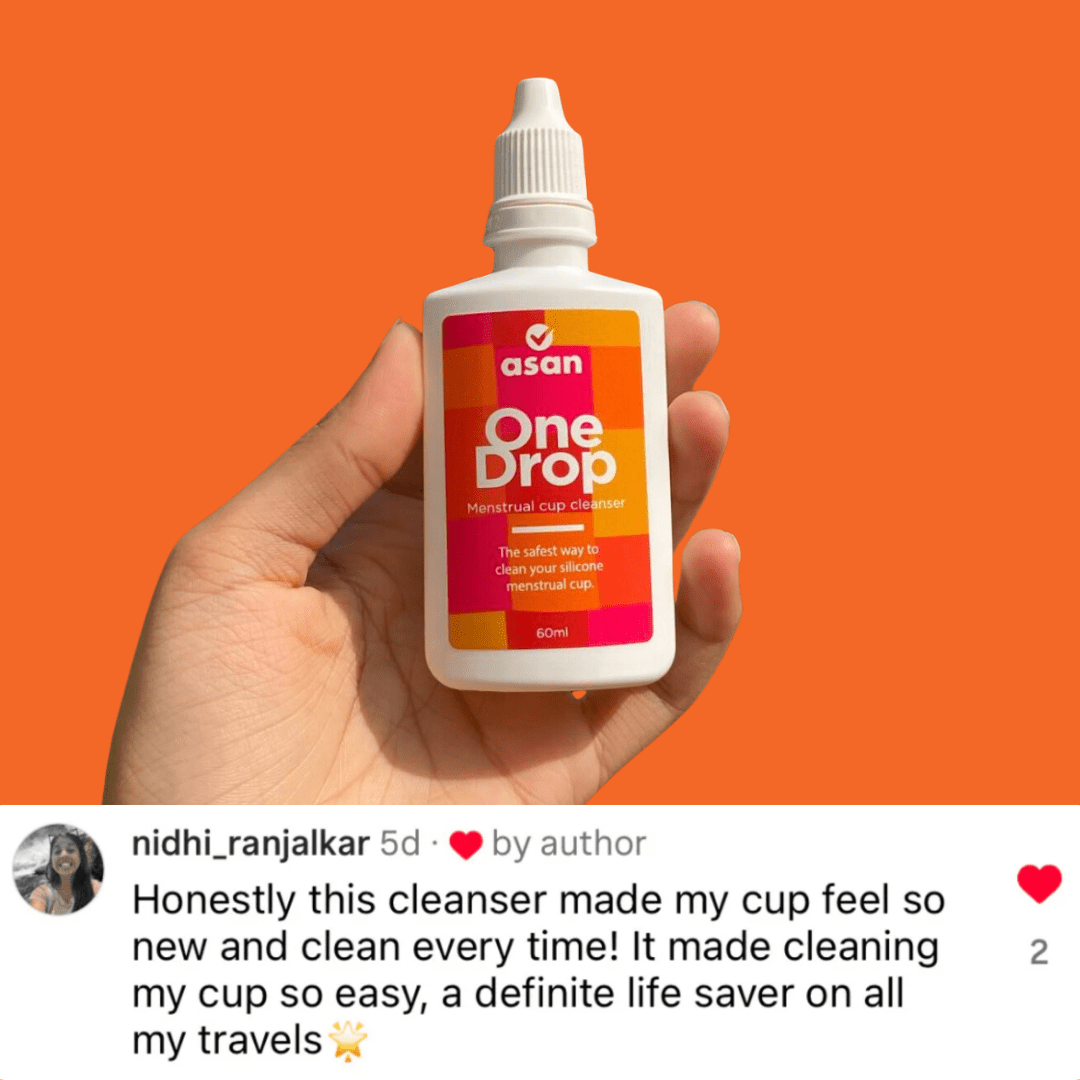
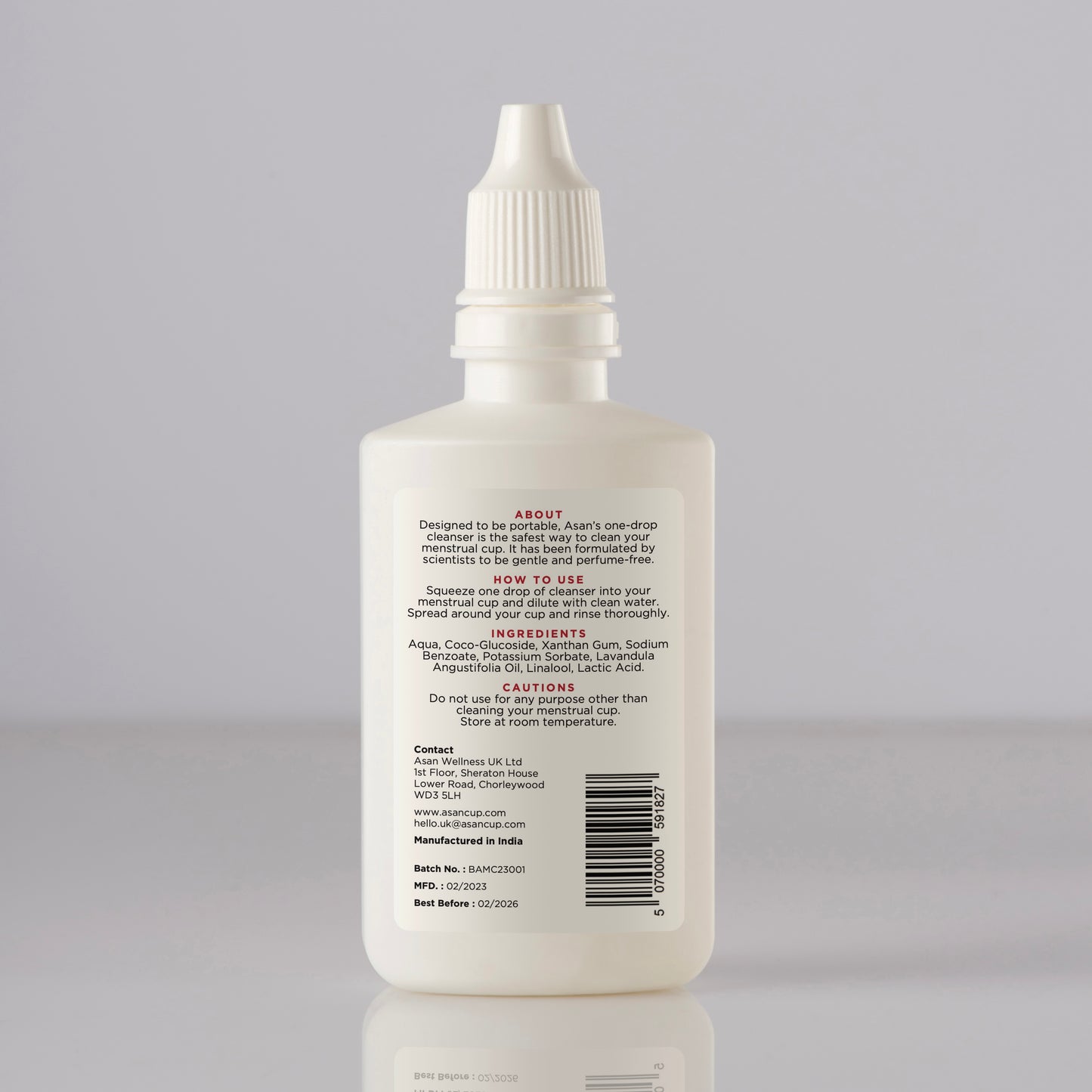
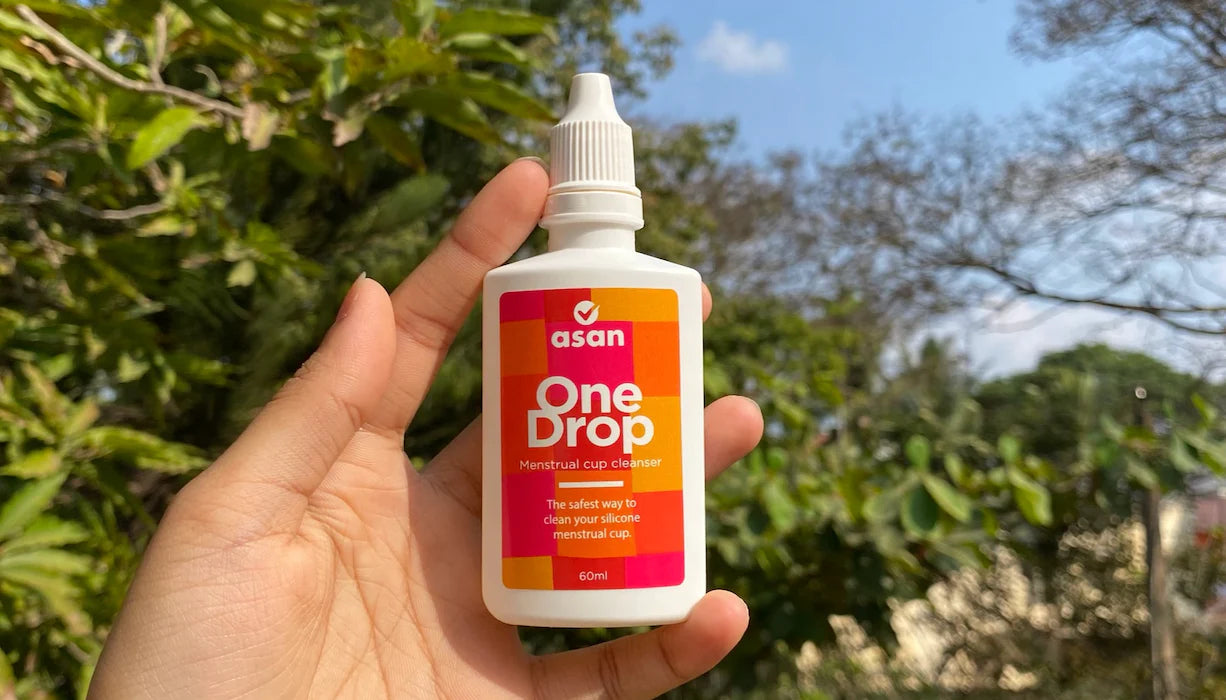
- Use a mild detergent - ideally the best detergent for period underwear is one that’s fragrance-free and gentle. Avoid bleach or softeners. You can also use Asan’s OneDrop cleanser, which is formulated to be gentle and fragrance-free.
Step 3: How to dry period underwear?
Always air dry your period underwear, Never tumble dry, as tumble drying period underwear can damage absorbent layers due to high heat.
What if I can’t wash them immediately?
Sometimes you’re traveling, busy, or just too tired to wash right away, and that’s okay.
Here’s what you can do instead:
- Rinse: Quickly rinse your underwear in cold water to remove most of the blood.
- Store period underwear: Keep the rinsed pair in a breathable bag (like a cotton pouch or mesh laundry bag). Avoid sealing it in plastic, which traps moisture and encourages bacterial growth.
- Wash within 24 hours: Try not to leave it unwashed for more than a day. This helps prevent stains and odor from setting in.
If you’re on a trip or don’t have access to laundry facilities, bringing 2-3 extra pairs can make it easier to rotate and wash them later.
Common mistakes to avoid
Even if you’re washing your period underwear regularly, a few small mistakes can shorten the life of your period underwear. Here’s what you should avoid:
- Using hot water: Hot water might seem like a good idea for deep cleaning, but it actually does the opposite for period underwear. Menstrual blood contains proteins such as haemoglobin, and when exposed to high heat these proteins denature - meaning they change structure and “cook” into the fabric (much like how egg whites coagulate when heated).
Once this happens, the proteins bind tightly to the fibers, setting the stains permanently and making them far more difficult to remove.
2. Wringing too hard: This stretches the fibers thereby reducing its optimum level of absorbency.
3. Using bleach or softeners: Bleach is harsh on delicate fibers, causing them to thin, fray, and lose their waterproof coating. Fabric softeners leave behind a waxy residue that clogs the absorbent layers, reducing their ability to hold fluid. Over time, both can trap odors and weaken absorbency. Instead, use a mild, fragrance-free detergent, it’s gentle, effective, and keeps your underwear performing like new.
4. Drying in direct heat: Tumble drying or ironing weakens the layers.
By following the gentle-care approach, you keep the underwear clean without compromising performance.
How can I make my period underwear last longer?
To get the most out of your period underwear:
- Keep a rotation of a few pairs so no single pair is over-washed.
- Use natural or mild detergents.
- Air dry when possible.
- Rinse immediately after wear to prevent staining.
To make them last, follow these washing instructions for period pants carefully. With the right period underwear washing routine, a good-quality pair can last 2–3 years, depending on care.
Wondering how long does period underwear last? The answer depends on how gently you wash and dry them.
Once you establish a rhythm, it becomes second nature: rinse, wash, dry, repeat. Think of it as a small, mindful ritual that connects you to your body while keeping you confident throughout your cycle.
After all, sustainable period care works best when it’s simple, consistent, and kind to you and the environment.
OneDrop Menstrual Cup Cleanser

More Posts
View all-
Healthy Brownie Recipes for the Follicular Phase
The follicular phase is when your energy starts to return and it’s the perfect time to enjoy desserts that nourish your body. These easy, healthy brownie recipes are designed to...
Healthy Brownie Recipes for the Follicular Phase
The follicular phase is when your energy starts to return and it’s the perfect time to enjoy desserts that nourish your body. These easy, healthy brownie recipes are designed to...
-
One-pot meals for heavy flow days
Easy one-pot meals for heavy flow days that support your body with iron, magnesium, and anti-inflammatory foods, without the effort.
One-pot meals for heavy flow days
Easy one-pot meals for heavy flow days that support your body with iron, magnesium, and anti-inflammatory foods, without the effort.
-
Iron rich recipe meals for anaemia
Feeling low on energy can sometimes be linked to low iron levels. This blog shares four simple iron rich meals for anaemia that are easy to cook and can help...
Iron rich recipe meals for anaemia
Feeling low on energy can sometimes be linked to low iron levels. This blog shares four simple iron rich meals for anaemia that are easy to cook and can help...
-
High-protein breakfast recipes for the luteal phase
The luteal phase often brings stronger cravings, lower energy, and increased hunger. Discover simple, high-protein luteal phase breakfast recipes that support hormone balance, stable energy, and menstrual cycle nutrition.
High-protein breakfast recipes for the luteal phase
The luteal phase often brings stronger cravings, lower energy, and increased hunger. Discover simple, high-protein luteal phase breakfast recipes that support hormone balance, stable energy, and menstrual cycle nutrition.